Let’s face it, grocery receipts are looking a little scary lately. You know the drill. You stand in the aisle staring at a bag of spinach that costs more than a small sandwich, wondering if you should just go back to eating toast for dinner. I’ve been there. Honestly, I’ve been there a dozen times this month alone. That’s when I decided to stop fighting the current and start working with what’s cheap. This vegetable rice side dish is my secret weapon. It’s not fancy. It’s not pretentious. But it is the kind of meal that stretches a dollar further than anything else in my pantry.
I first started making this specific version of vegetable rice during a week when my fridge was basically empty. I had three sad carrots, a half-onion, and a bag of rice that was close to expiring. Instead of throwing it out, I threw it all into one pot. The result? A warm, savory bowl that felt like a hug. It wasn’t just about saving money; it was about proving that good food doesn’t require a luxury budget. This recipe has become a staple in my house because it turns “leftovers” into a main event. It’s the cheap cut of vegetables that nobody is reaching for, and why they should.
What makes this vegetable rice side dish so special is its versatility. You can throw in whatever is on sale. If celery is cheap, use celery. If zucchini is on clearance, use zucchini. It’s forgiving. It’s forgiving in a way that expensive risotto never is. You don’t need to stand over a stirring pot for an hour. You just chop, sauté, and simmer. It’s perfect for busy weeknights when you’re tired, or for meal prep Sunday when you want to fill your containers without spending a fortune. It’s also great for picky eaters, because hidden veggies are always a win. Plus, it pairs perfectly with any protein, whether it’s a roasted chicken or some simple canned beans. It’s comfort food that respects your wallet.
Why You’ll Love This Budget Vegetable Rice Recipe
After making this vegetable rice side dish over a hundred times, I can tell you it’s not just about the cost. It’s about the reliability. You know exactly what you’re getting every single time. It’s consistent, hearty, and surprisingly flavorful. Here is why this recipe has earned a permanent spot in my kitchen rotation:
- Quick & Easy: This comes together in under 30 minutes. It’s perfect for those nights when you’re hungry but don’t have the energy to cook a complicated meal. Just chop, dump, and stir.
- Simple Ingredients: No fancy grocery trips needed. You likely already have rice, oil, and a few frozen or fresh veggies in your kitchen. It uses pantry staples that don’t expire quickly.
- Perfect for Meal Prep: This dish stores beautifully. It actually tastes better the next day as the flavors meld together. It’s ideal for packing lunches or having quick dinners ready to go.
- Crowd-Pleaser: Kids and adults alike usually love it. The texture is soft and comforting, and the savory onion base makes it taste like a treat rather than a diet food.
- Unbelievably Delicious: The combination of toasted rice and sautéed vegetables creates a depth of flavor that feels much more expensive than it is. It’s next-level comfort food.
What makes this recipe different from the rest is the technique. Most people just boil rice and throw veggies on top. That’s boring. This method involves sautéing the aromatics first to build a flavor base, then toasting the rice slightly before adding liquid. It adds a nutty aroma that you just can’t get from plain boiled rice. It’s my best version because it balances texture and taste perfectly. It’s the kind of meal that makes you close your eyes after the first bite. It’s comfort food reimagined—healthier, faster, and with the same soul-soothing satisfaction as a restaurant side, but for pennies.
What Ingredients You Will Need
This recipe uses simple, wholesome ingredients to deliver bold flavor and satisfying texture without the fuss. The beauty of this vegetable rice side dish is that it relies on affordability and availability. You don’t need organic, boutique produce. You need practical, budget-friendly options that still taste great. Here is what you’ll need to make this happen:
- White or Brown Rice (2 cups): I prefer long-grain white rice for this because it stays fluffy and doesn’t get mushy. Brown rice works too, but you’ll need more water and cooking time. Look for store-brand rice to save money.
- Vegetable Oil (2 tablespoons):: Any neutral oil works. Canola, vegetable, or even olive oil if you have it. Oil is cheap and helps the veggies cook evenly.
- Onion (1 medium, diced): Yellow onions are the budget king. They are cheap, last a long time in the pantry, and provide that essential savory base. Sweet onions are an option if they’re on sale.
- Garlic (2 cloves, minced): Fresh garlic is best, but jarred minced garlic works in a pinch. A little goes a long way for flavor.
- Carrots (2 medium, diced): Carrots are incredibly cheap and add a nice sweetness. They also add color, which makes the dish look more appetizing on Pinterest.
- Peas (1 cup, frozen or fresh): Frozen peas are usually cheaper and just as good. They add a pop of green and sweetness. If you have fresh peas, use them, but don’t stress if you don’t.
- Vegetable Broth (3 cups): Using broth instead of water adds depth. You can buy cheap bouillon cubes and mix them yourself to save even more money. It’s a small cost for a big flavor boost.
- Salt and Black Pepper (to taste): Essential for seasoning. Don’t skip this step.
- Dried Herbs (1 teaspoon dried thyme or parsley): Dried herbs are much cheaper than fresh and have a long shelf life. They add an earthy note that complements the rice.
I recommend using store-brand ingredients whenever possible. The quality is often identical to name brands, but the price is half. Also, look for firm, small-curd veggies like carrots and onions, as they tend to be fresher and cheaper in the long run. In summer, you can swap in fresh zucchini or bell peppers if they are on sale. For a gluten-free option, this recipe is naturally gluten-free as long as you use certified gluten-free broth. You can also swap white rice for quinoa if you want a protein boost, though the texture will change slightly.
Equipment Needed
You don’t need fancy gadgets to make this vegetable rice side dish. In fact, keeping it simple is part of the budget-friendly appeal. Here is what you’ll need:
- Large Skillet or Saucepan: A heavy-bottomed pot is best for even cooking. A large skillet works too if you like a slightly crispier texture.
- Wooden Spoon or Spatula: For stirring and scraping the bottom of the pot to prevent sticking.
- Sharp Knife and Cutting Board: Essential for prepping your onions and carrots efficiently.
- Measuring Cups and Spoons: For accuracy, especially with the liquid ratio.
- Colander: If you choose to rinse your rice, you’ll need this. Rinsing removes excess starch and prevents clumping.
If you don’t have a large pot, a Dutch oven works well. For budget-friendly options, any basic stainless steel or non-stick pan from your local discount store will do. Just make sure it has a lid to trap the steam while the rice cooks. Avoid thin, cheap pans that warp easily, as they can lead to uneven cooking.
Preparation Method
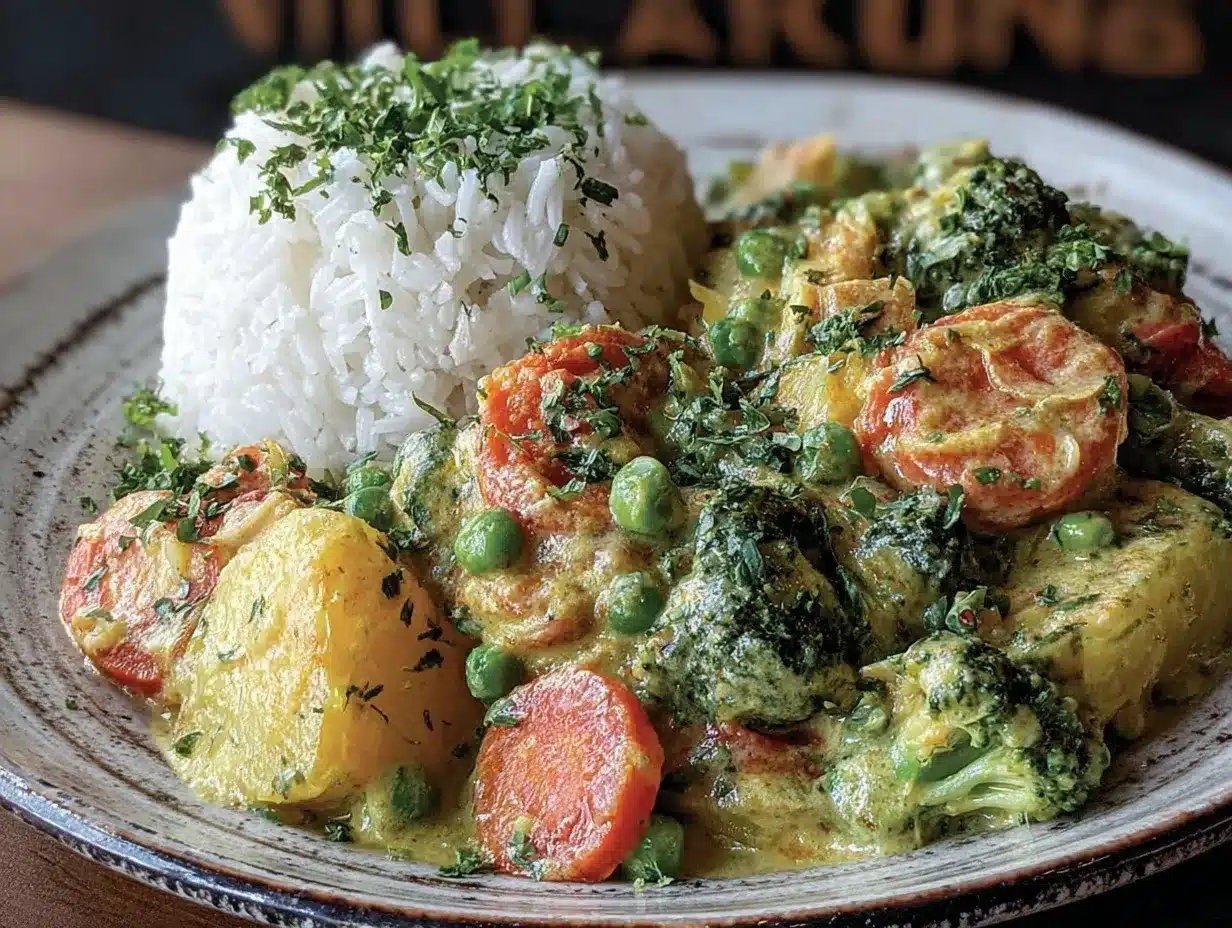
Let’s get cooking. This process is straightforward, but paying attention to a few details will make all the difference in the final texture and taste of your vegetable rice side dish.
- Prep Your Ingredients (5 minutes): Start by washing your hands and gathering everything. Dice the onion and carrots into small, uniform pieces. This ensures they cook at the same rate. Mince the garlic. If using fresh peas, snap off any strings. If using frozen, keep them in the bag until ready to use. Rinsing the rice is optional but recommended. Place the rice in a fine-mesh strainer and rinse under cold water until the water runs clear. This removes surface starch and prevents the rice from becoming gluey.
- Sauté the Aromatics (3 minutes): Heat the vegetable oil in your large skillet or saucepan over medium heat. Once the oil shimmers, add the diced onions and carrots. Sauté them for about 3-4 minutes, stirring occasionally. You want the onions to become translucent and the carrots to soften slightly. This step builds the flavor foundation. Don’t rush it; let the onions sweat in the oil.
- Add Garlic and Herbs (1 minute): Add the minced garlic and dried thyme (or parsley) to the pan. Stir constantly for about 30-60 seconds. Be careful not to burn the garlic, as it will turn bitter. You should smell a fragrant, nutty aroma. This is a key sensory cue that your base is ready.
- Toast the Rice (2 minutes): Add the rinsed rice to the pan. Stir it around, coating every grain with the oil and vegetable mixture. Let it toast for about 2 minutes. The rice grains will become slightly opaque and may make a slight crunchling sound. This toasting step adds a deeper, nuttier flavor to the final dish.
- Add Liquid and Simmer (15-20 minutes): Pour in the vegetable broth. Add a pinch of salt and black pepper. Stir once to combine. Bring the mixture to a boil. Once it boils, reduce the heat to low. Cover the pot with a tight-fitting lid. Let it simmer undisturbed for 15-20 minutes, depending on the type of rice you are using. Do not lift the lid during this time! Steam is essential for cooking the rice evenly.
- Add Peas and Rest (5 minutes): After 15 minutes, check the rice. If the liquid is absorbed and the rice is tender, remove the pot from the heat. Stir in the frozen peas. Cover the pot again and let it sit off the heat for 5 minutes. The residual heat will cook the peas and fluff the rice. This resting period is crucial for the best texture.
- Fluff and Serve: Uncover the pot and fluff the rice with a fork. Taste and adjust seasoning with more salt or pepper if needed. Serve warm.
Cooking Tips & Techniques
Here are some professional techniques and personal lessons learned from making this vegetable rice side dish many times over:
- Don’t Skip the Toasting: Toasting the rice before adding liquid adds a layer of complexity that boiling alone cannot achieve. It prevents the rice from being bland.
- Keep the Lid On: The most common mistake is lifting the lid too often. Every time you lift it, you release steam, which increases cooking time and can leave the rice undercooked or mushy.
- Heat Control: Keep the heat on low. High heat can burn the bottom of the pot before the rice is cooked through. If you hear sizzling, your heat is too high.
- Flavor Boost: If you want extra richness, add a teaspoon of butter at the end. It’s a small cost for a big improvement in mouthfeel.
- Multitasking: While the rice simmers, you can prepare a simple protein like grilled chicken or pan-fried tofu. This makes the whole meal come together quickly.
I once tried making this with too much water, and the result was a sticky, soupy mess. Lesson learned: stick to the 1.5:1 or 2:1 liquid-to-rice ratio depending on your rice type. Consistency is key to success.
Variations & Adaptations
This recipe is a blank canvas. Here are some ways to adapt it to your tastes or what’s on sale:
- Vegetarian Protein Boost: Add a can of drained chickpeas or black beans when you add the peas. This makes the dish more filling and adds protein.
- Spicy Kick: Add a pinch of red pepper flakes or a diced jalapeño when sautéing the onions. It adds a nice heat that contrasts with the sweet carrots.
- Asian-Inspired: Swap the vegetable broth for soy sauce and ginger. Add sesame oil at the end. This turns the dish into a fried-rice style side.
- Gluten-Free: This recipe is naturally gluten-free. Just ensure your broth and any added ingredients are certified gluten-free.
- Dairy-Free: This recipe is already dairy-free. No changes needed.
I once tried adding diced potatoes to this recipe, and it worked surprisingly well. The potatoes absorbed the broth and became tender. It’s a great way to stretch the meal even further if you have extra potatoes sitting around.
Serving & Storage Suggestions
This vegetable rice side dish is best served warm. It pairs wonderfully with roasted chicken, grilled fish, or simple scrambled eggs. For a complete meal, serve it with a side of steamed broccoli or a simple green salad.
Storage: Store leftovers in an airtight container in the refrigerator for up to 4 days. The flavors actually improve after a day or two as the rice absorbs the seasonings further.
Freezing: You can freeze this rice dish for up to 3 months. Thaw it in the refrigerator overnight before reheating.
Reheating: Reheat in the microwave with a splash of water to restore moisture. You can also reheat it in a skillet over medium heat with a little broth to keep it from drying out.
Nutritional Information & Benefits
This vegetable rice side dish is a balanced and nutritious option. Here is an approximate nutritional breakdown per serving (assuming 6 servings):
- Calories: 150-180 kcal
- Carbohydrates: 30g
- Protein: 3g
- Fat: 4g
- Fiber: 2g
Key benefits include the fiber from the vegetables and rice, which aids digestion. The carrots provide beta-carotene, which is good for eye health. Using vegetable broth keeps sodium levels lower than using canned soups. This recipe is suitable for gluten-free, vegetarian, and vegan diets. From a wellness perspective, it’s a great way to increase vegetable intake without feeling like you’re eating “diet food.” It’s satisfying and nourishing.
Conclusion
This vegetable rice side dish is proof that you don’t need to spend a lot to eat well. It’s simple, affordable, and delicious. I love this recipe because it takes the stress out of dinner. It’s reliable, it’s cheap, and it always satisfies. I encourage you to try it and customize it with whatever vegetables you have on hand. Cooking should be fun and accessible, not a chore that breaks the bank. Give this recipe a shot and let me know how it turns out for you. Share your variations in the comments below!
Frequently Asked Questions
Can I use brown rice for this recipe?
Yes, you can use brown rice. However, it requires more water (about 2.5 cups) and a longer cooking time (40-45 minutes). Make sure to soak the rice for 30 minutes beforehand if possible to help it cook evenly.
How do I prevent the rice from sticking to the bottom?
To prevent sticking, use a heavy-bottomed pot, keep the heat on low during simmering, and do not lift the lid. If you do see sticking, add a little more liquid and let it steam for a few more minutes.
Can I add meat to this vegetable rice side dish?
Absolutely. You can add cooked ground beef, shredded chicken, or diced ham. Add the meat during the last 5 minutes of cooking to heat it through without overcooking.
What is the best way to reheat this rice?
Reheat in the microwave with a tablespoon of water to keep it moist. You can also reheat it in a skillet over low heat with a splash of broth or water.
Is this recipe suitable for meal prep?
Yes, this is an excellent meal prep option. It stores well in the fridge for up to 4 days and can be frozen for longer storage. It’s perfect for packing lunches or quick weeknight dinners.
Pin This Recipe!
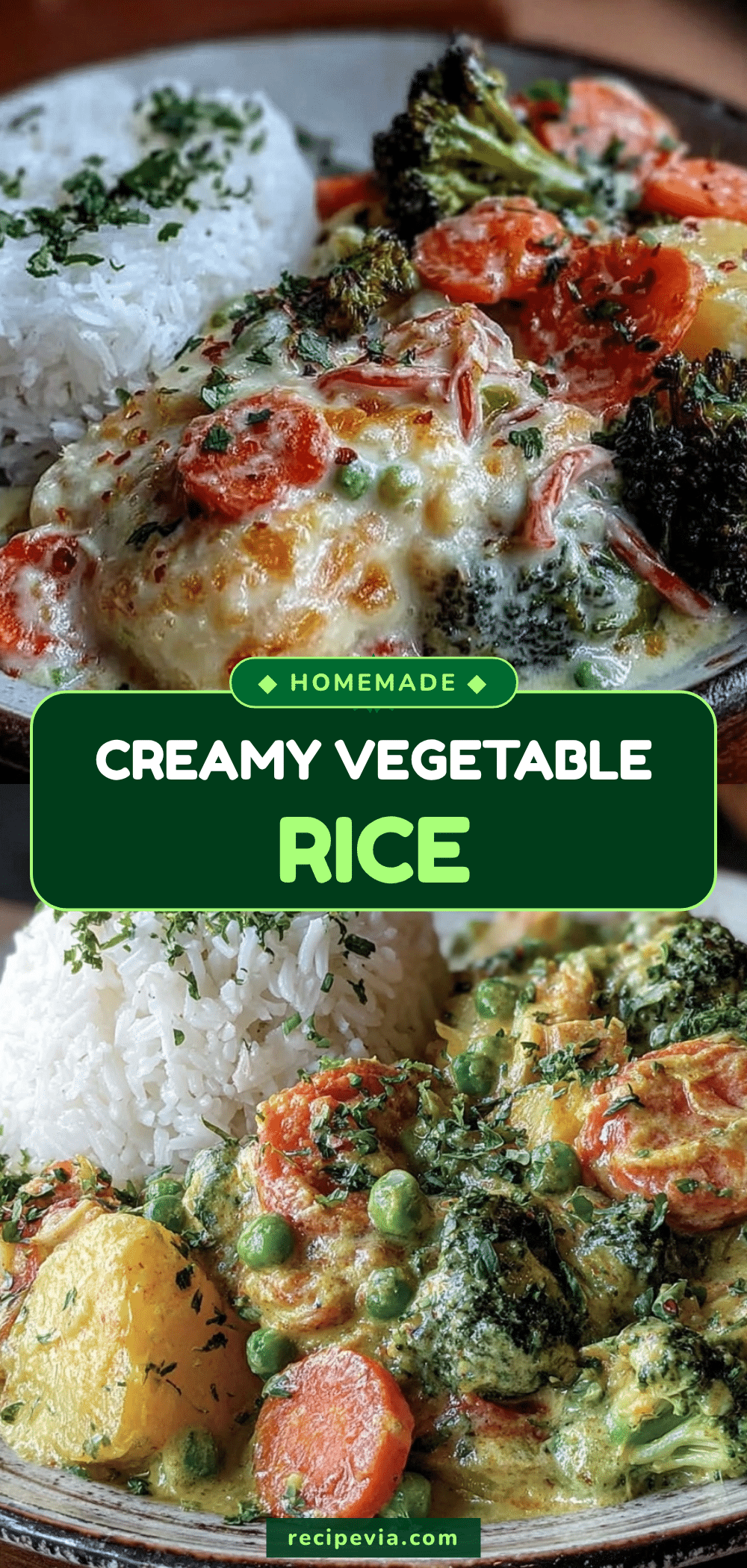
Budget Friendly Vegetable Rice: 7 Cheap Side Dish
- Total Time: 30 minutes
- Yield: 6 servings 1x
Description
A simple, affordable, and versatile vegetable rice side dish that uses pantry staples and cheap produce. It is quick to make, perfect for meal prep, and naturally gluten-free and vegan.
Ingredients
- 2 cups white or brown rice
- 2 tablespoons vegetable oil
- 1 medium onion, diced
- 2 cloves garlic, minced
- 2 medium carrots, diced
- 1 cup peas (frozen or fresh)
- 3 cups vegetable broth
- Salt and black pepper to taste
- 1 teaspoon dried thyme or parsley
Instructions
- Prep ingredients: Dice onion and carrots, mince garlic, and rinse rice under cold water until water runs clear.
- Sauté aromatics: Heat oil in a large skillet or saucepan over medium heat. Add onions and carrots, sautéing for 3-4 minutes until onions are translucent.
- Add garlic and herbs: Stir in minced garlic and dried herbs, cooking for 30-60 seconds until fragrant.
- Toast the rice: Add rinsed rice to the pan and stir to coat with oil, toasting for about 2 minutes until slightly opaque.
- Simmer: Pour in vegetable broth, add salt and pepper, and bring to a boil. Reduce heat to low, cover tightly, and simmer for 15-20 minutes without lifting the lid.
- Add peas and rest: Remove from heat, stir in peas, cover, and let sit for 5 minutes to allow residual heat to cook peas and fluff rice.
- Serve: Uncover, fluff rice with a fork, adjust seasoning if needed, and serve warm.
Notes
Toast the rice before adding liquid for better flavor. Keep the lid on during simmering to trap steam. Use store-brand ingredients to save money. Can be customized with other vegetables on sale. Brown rice requires more water and longer cooking time.
- Prep Time: 5 minutes
- Cook Time: 25 minutes
- Category: Side Dish
- Cuisine: American
Nutrition
- Serving Size: 1 cup
- Calories: 165
- Sugar: 3
- Sodium: 400
- Fat: 4
- Saturated Fat: 0.5
- Carbohydrates: 30
- Fiber: 2
- Protein: 3
Keywords: budget friendly, vegetable rice, cheap side dish, meal prep, vegetarian, vegan, gluten-free, easy dinner, comfort food