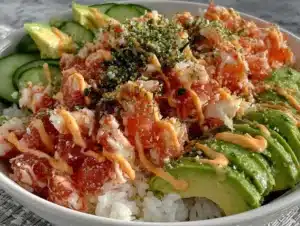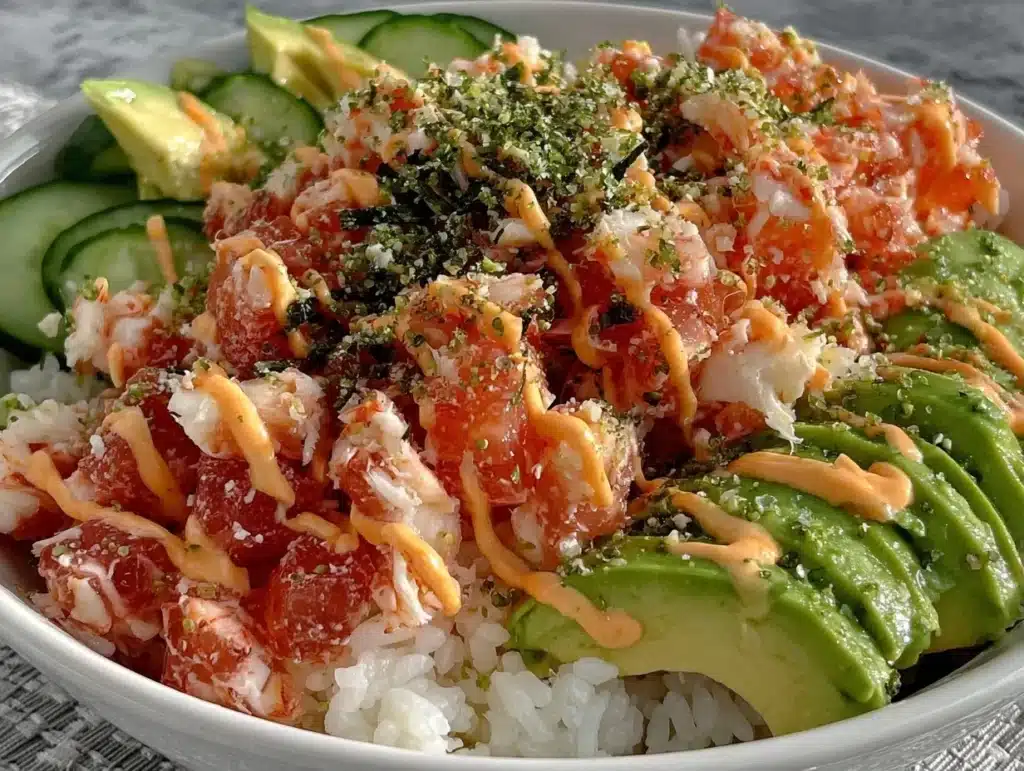
Let’s be honest for a second. There is something oddly satisfying about unrolling a bamboo mat, only to realize you have rice stuck to your fingers and the avocado has turned into brown mush before you even got home. I used to think I needed a master’s degree in sushi rolling to enjoy the flavors of a California Roll. I spent years buying those sad, pre-packaged rolls from the grocery store that tasted like nothing but regret and preservatives. Then, life got busy. Between work, kids, and just trying to get dinner on the table without ordering takeout, the idea of rolling individual pieces felt like too much work.
That’s when I discovered the California Roll Sushi Bowl. Honestly, it was a game-changer. It started as a way to use up leftover rice and that one sad cucumber in the crisper drawer. But now? It’s my go-to weeknight meal. You get all the creamy, crunchy, savory flavors you love, but without the frustration. It’s built from what’s already cheap in your pantry, which is exactly how I like my meals to be. You know, stretching that grocery budget while still eating something that feels fancy. I’ve tested this recipe over a dozen times, tweaking the rice seasoning and the dressing ratios until it was just right. It’s reliable, it’s fast, and it tastes incredible.
What I love most about this dish is how versatile it is. You can make it on Sunday for meal prep, or throw it together in fifteen minutes on a Tuesday night when you’re exhausted. It’s perfect for busy families who need something healthy but filling. Plus, it’s naturally gluten-free if you use tamari, which is a huge win for my friend who has celiac disease. The texture contrast is what really sells it. You’ve got the soft rice, the crisp veggies, and the rich crab substitute all coming together in one bowl. It’s comfort food, but light enough that you don’t feel sluggish afterward. If you’re tired of the same old salad or pasta routine, this bowl is the refresh your kitchen needs.
Why You’ll Love This Recipe
After years of trial and error in my own kitchen, I can confidently say that this bowl is the superior way to enjoy sushi flavors. I’ve tried countless variations, from adding spicy mayo to trying different types of fish, but this specific combination of ingredients hits the sweet spot every single time. It’s not just about convenience; it’s about delivering that authentic sushi experience without the stress. Here is why this recipe has earned a permanent spot in my weekly rotation:
- Quick & Easy: This comes together in under 20 minutes. That is perfect for those chaotic weeknights when you’re hungry but have zero energy to cook. You don’t need to marinate anything or wait for an oven to preheat. Just chop, mix, and eat.
- Simple Ingredients: You likely already have most of these items in your kitchen right now. Rice, cucumber, avocado, crab sticks, and a few pantry staples. No fancy grocery trips needed, which saves both time and money. It’s a true pantry-based meal.
- Perfect for Meal Prep: This recipe stores beautifully. I often make a big batch of rice and chop the veggies on Sunday. By Wednesday, I just grab a container and add the fresh avocado last minute. It’s great for lunch boxes or quick dinners.
- Crowd-Pleaser: Even my picky eaters love this. The combination of sweet crab, creamy avocado, and tangy rice is universally liked. It’s a great way to get kids to eat vegetables because they are hidden in the mix and the flavors are familiar.
- Unbelievably Delicious: The texture and flavor combo is next-level comfort food. The crunch of the cucumber and nori against the soft rice creates a mouthfeel that is incredibly satisfying. It’s the kind of meal that makes you close your eyes after the first bite.
What makes this recipe different from the rest is the balance. Many sushi bowl recipes go heavy on the soy sauce, making everything salty and overwhelming. I’ve learned through experience that a light touch with the seasoning allows the natural flavors of the ingredients to shine. It’s not just good—it is the kind of dish that turns a simple meal into something memorable. It’s comfort food reimagined—healthier, faster, but with the same soul-soothing satisfaction. Plus, it’s perfect for impressing guests without the stress of rolling twenty tiny pieces of sushi.
What Ingredients You Will Need
This recipe uses simple, wholesome ingredients to deliver bold flavor and satisfying texture without the fuss. The beauty of this bowl is that it relies on staples you probably already have, or can grab on your way home from work. I focus on quality where it counts, like the rice and the crab sticks, but keep the rest budget-friendly. Here is what you need to make this happen:
- Sushi Rice: Short-grain Japanese rice is non-negotiable for that sticky, chewy texture. I recommend Kokuho Rose or Nishiki brands for best texture. Long-grain rice will just fall apart and won’t hold the dressing properly.
- Rice Vinegar: This provides the essential tang. Do not substitute with white vinegar or apple cider vinegar, as the flavor profile will be off. Look for a bottle with a red cap, usually found in the Asian aisle.
- Granulated Sugar: Just a teaspoon or two to balance the acidity of the vinegar. It cuts the sharpness and mimics the taste of restaurant-style sushi rice.
- Salt: A pinch of sea salt to bring out the natural flavors of the rice.
- Canned Crab Sticks (Surimi): This is the classic California Roll protein. It’s cheap, easy to find, and has that sweet, delicate flavor. Look for brands like Snow Crab or King Crab sticks. You can also use fresh imitation crab meat if you find it on sale.
- Cucumber: English cucumbers are best because they have fewer seeds and thinner skin. They add that essential crunch. If you only have standard cucumbers, peel them first to avoid bitterness.
- Avocado: Ripe but firm avocados are ideal. They add creaminess that balances the crunch of the veggies. Look for Hass avocados that yield slightly to pressure.
- Nori Sheets: Toasted seaweed sheets, broken into pieces. This adds a salty, umami crunch on top. You can buy these in packs at any grocery store.
- Mayonnaise: Japanese Kewpie mayo is traditional, but regular mayo works fine too. It adds richness and helps bind the flavors.
- Soy Sauce or Tamari: For dipping or mixing into the rice. Tamari is a great gluten-free option if you need it.
- Green Onions: Sliced thinly for garnish. They add a fresh, oniony bite that brightens the whole dish.
For the best results, I suggest buying your crab sticks in bulk when they are on sale, as they freeze well. Also, keep an eye on your cucumber selection; watery cucumbers can make the bowl soggy. If you are watching your sodium, you can reduce the salt in the rice and use low-sodium soy sauce. This flexibility is what makes this recipe so practical for everyday cooking.
Equipment Needed
You don’t need anything fancy to make this bowl. In fact, keeping your equipment simple is part of why this recipe is so accessible. Here is what you’ll need:
- Rice Cooker or Medium Saucepan: A rice cooker makes the job effortless and ensures perfect texture every time. If you use a saucepan, just make sure it has a tight-fitting lid to trap the steam.
- Large Mixing Bowl: You need a wide bowl for mixing the rice with the vinegar dressing. A wooden bowl is traditional, but glass or stainless steel works fine.
- Sharp Knife and Cutting Board: Essential for slicing the cucumber and avocado cleanly. A dull knife will crush the avocado, so keep it sharp.
- Rice Paddle or Spatula: Use a non-metallic paddle to mix the rice. Metal can react with the vinegar and affect the taste.
- Small Bowl for Dressing: To whisk the vinegar, sugar, and salt together before adding to the rice.
If you don’t have a rice cooker, I’ve made this in a pot many times. Just remember to let it rest for ten minutes after cooking to absorb the steam. For the knife, a chef’s knife is versatile, but a paring knife is better for peeling the cucumber. Keep your tools clean and dry, especially the cutting board, to prevent cross-contamination. It’s a small thing, but it matters for food safety.
Preparation Method
Getting this bowl together is straightforward, but there are a few key steps to ensure the rice tastes authentic and the veggies stay crisp. Let’s walk through it step by step.
- Cook the Rice (15-20 minutes): Rinse the short-grain rice under cold water until the water runs clear. This removes excess starch and prevents mushiness. Add the rice and water to your rice cooker or pot. Use a 1:1.1 ratio of rice to water. Cook according to your appliance’s instructions. If using a pot, bring to a boil, then reduce heat to low, cover, and simmer for 15 minutes. Remove from heat and let it sit, covered, for another 10 minutes. This resting period is crucial for fluffy rice.
- Make the Dressing (5 minutes): While the rice cooks, whisk together 2 tablespoons of rice vinegar, 1 teaspoon of sugar, and 1/2 teaspoon of salt in a small bowl. Heat this mixture slightly in the microwave for 10 seconds to help the sugar dissolve. It should be smooth and clear.
- Season the Rice (5 minutes): Transfer the hot rice to your large mixing bowl. Drizzle the vinegar mixture over the rice while it is still hot. Use a cutting motion with your rice paddle to mix it in. Do not mash the rice! You want to keep the grains separate but coated. Let the rice cool to room temperature. You can speed this up by fanning it while you mix.
- Prep the Vegetables (10 minutes): Slice the cucumber into thin matchsticks or small cubes. If using English cucumbers, you don’t need to peel them. Slice the avocado into wedges. Soak the avocado wedges in a bowl of cold water for a minute to prevent browning, then drain. This keeps them bright green.
- Prepare the Crab (2 minutes): Drain the crab sticks and shred them into bite-sized pieces with your fingers or a fork. You want small chunks that distribute evenly throughout the bowl.
- Toast the Nori (1 minute): Hold the nori sheets over an open flame for a few seconds on each side, or toast them in a dry pan. This releases their aroma and makes them crispy. Break them into irregular pieces by hand.
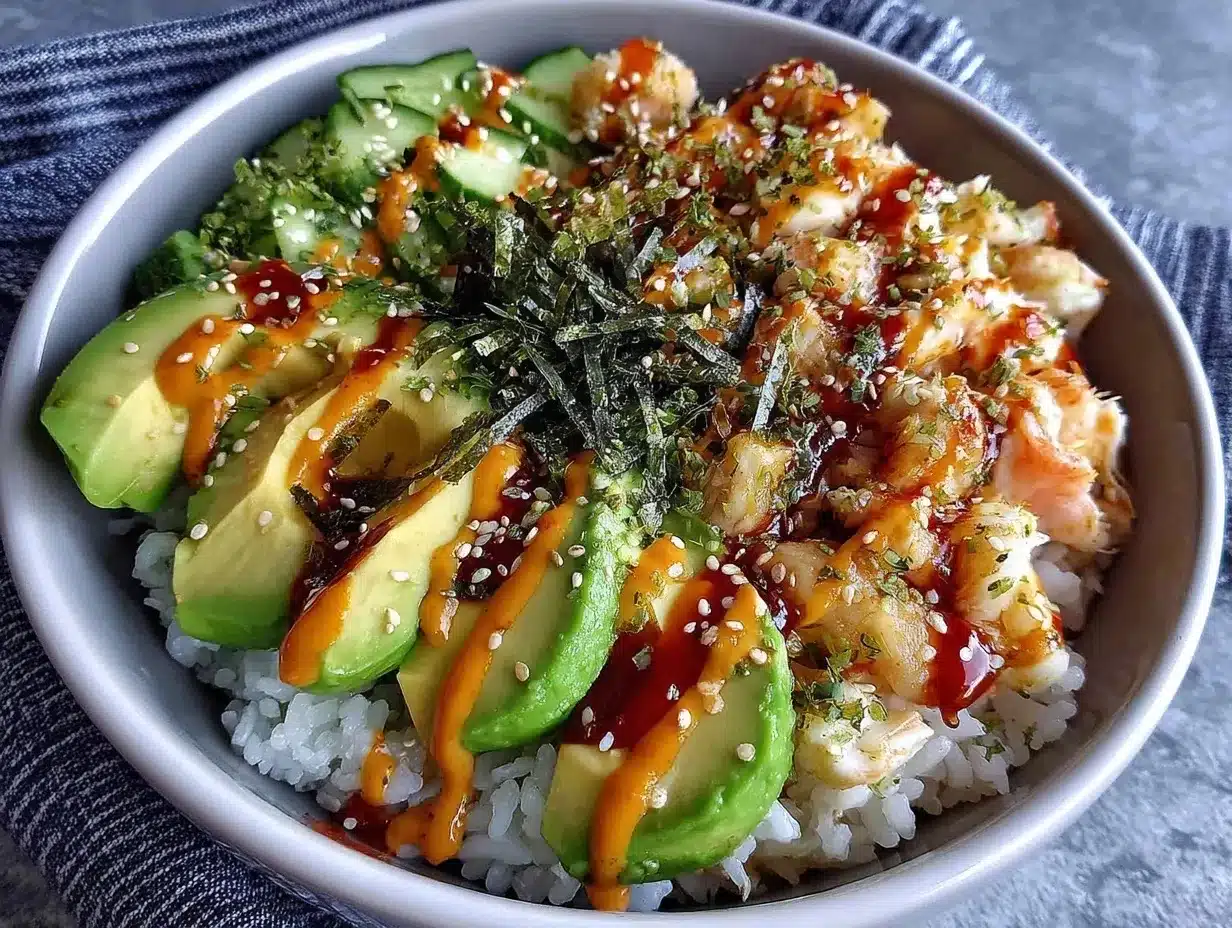
- Assemble the Bowl (5 minutes): Place a scoop of seasoned rice in the bottom of your serving bowl. Arrange the cucumber, avocado, and crab sticks on top. Drizzle with a little soy sauce or spicy mayo if you like. Sprinkle with sliced green onions and the broken nori pieces. Serve immediately.
The key here is timing. Don’t assemble the bowl too early, or the nori will get soggy. Keep the components separate until you are ready to eat. This ensures every bite has the perfect texture contrast.
Cooking Tips & Techniques
I’ve made this recipe so many times that I’ve learned a few tricks to make it even better. The biggest mistake people make is overworking the rice. When you mix the vinegar, use gentle cutting motions. If you stir it like you’re making batter, the rice will become sticky and gluey. You want distinct grains. Also, never skip the rinsing step. Rinsing the rice until the water is clear is the secret to that restaurant-quality texture. If you skip it, your bowl will be mushy.
Another tip is about the avocado. Avocados oxidize quickly. If you slice it too early, it turns brown. Keep it submerged in cold water until the last second. You can also add a squeeze of lemon juice to the water, but plain cold water works well enough. For the cucumber, salting it lightly and letting it sit for ten minutes can draw out excess water. This prevents your bowl from becoming watery. Just rinse the cucumber afterward and pat it dry.
Troubleshooting common issues: If your rice is too hard, add a tablespoon of water and microwave it for another minute. If it’s too wet, spread it out on a baking sheet to let the steam escape. For the dressing, taste it before adding to the rice. It should taste slightly too salty and sour on its own, as the rice will dilute it. This balance is what makes it taste like real sushi rice. Finally, if you don’t have rice vinegar, you can substitute with white wine vinegar, but add a pinch more sugar to compensate. It won’t be authentic, but it will work in a pinch.
Variations & Adaptations
One of the best things about this bowl is how easily it adapts to what you have on hand. Here are a few variations I’ve tried that work wonderfully:
- Spicy Tuna Version: Swap the crab sticks for canned tuna. Mix the tuna with a little mayo, sriracha, and sesame oil. This adds a spicy kick that is delicious.
- Vegetarian Boost: Add some edamame or steamed broccoli for extra protein and color. It makes the bowl more filling and nutritious without changing the flavor profile much.
- Salmon Swap: Use smoked salmon instead of crab. It adds a smoky, rich flavor that pairs beautifully with the cucumber and avocado. This is a bit more expensive, but worth it for a treat.
- Low-Carb Option: Swap the sushi rice for cauliflower rice. Sauté the cauliflower rice with a little sesame oil and garlic for flavor. It keeps the bowl light and fresh.
- Gluten-Free: Simply use tamari instead of soy sauce. Most other ingredients are naturally gluten-free, so this is an easy swap.
I also like to add a sprinkle of sesame seeds or furikake seasoning on top for extra flavor. It’s a small touch that makes a big difference. Feel free to experiment with different veggies like shredded carrots or bell peppers. The base recipe is just a framework for your creativity.
Serving & Storage Suggestions
This bowl is best served immediately after assembly. The nori should be crisp, and the avocado should be fresh. If you are meal prepping, store the components separately. Keep the rice, veggies, and crab in separate containers. Add the avocado and nori right before eating. This prevents sogginess and browning.
For storage, the rice can be kept in the refrigerator for up to three days. Reheat it in the microwave with a splash of water to restore moisture. The veggies and crab should be consumed within two days for best quality. If you make a spicy mayo, store it in a small jar in the fridge for up to a week.
To reheat, just warm the rice and crab separately. You can eat the veggies cold, so no need to reheat them. The flavors actually meld nicely if you let the rice sit with the dressing for a few hours, making it great for lunch the next day. Serve with a cup of miso soup or a side of pickled ginger for a complete meal. It’s light, refreshing, and satisfying.
Nutritional Information & Benefits
This bowl is a balanced meal that provides a good mix of carbohydrates, healthy fats, and protein. Sushi rice is a good source of energy, while the avocado offers heart-healthy monounsaturated fats. The crab sticks provide lean protein, though they are processed, so moderation is key. If you want to boost the protein, consider adding hard-boiled eggs or edamame.
The dish is naturally gluten-free if you use tamari, making it suitable for those with celiac disease or gluten sensitivity. It is also low in saturated fat, especially if you skip the mayo. The cucumber and green onions add fiber and vitamins, supporting digestion. From a wellness perspective, this meal is light enough to enjoy without feeling heavy, making it ideal for lunch or a light dinner. It’s a great way to incorporate more vegetables into your diet in a tasty way.
Conclusion
This Easy California Roll Sushi Bowl is a testament to how simple ingredients can come together to create something truly special. It’s not just about saving time; it’s about enjoying the flavors of sushi without the hassle. I’ve found that this recipe has become a staple in my home because it’s reliable, delicious, and budget-friendly. It’s built from what’s already cheap in your pantry, which is exactly how I like my meals to be. You don’t need to be a sushi chef to make this. You just need a few basic ingredients and a willingness to experiment.
I encourage you to try this recipe and make it your own. Add your favorite veggies, swap the protein, or adjust the spices to suit your taste. I’d love to hear how you customize it. Leave a comment below with your favorite variations or tips. If you make this, share a photo on social media and tag me. Let’s inspire each other to cook more creatively. Thanks for stopping by, and happy cooking!
Frequently Asked Questions
Can I use long-grain rice for this recipe?
It’s not recommended. Short-grain sushi rice is sticky and chewy, which is essential for the texture of a sushi bowl. Long-grain rice is too dry and separate, so the bowl won’t hold together well.
How do I keep the avocado from turning brown?
Slice the avocado just before serving. If you need to prep it earlier, soak the wedges in cold water for a few minutes and pat them dry before adding to the bowl. A squeeze of lemon juice also helps.
Can I make this recipe ahead of time?
Yes, but assemble the components separately. Store the rice, veggies, and crab in separate containers. Add the avocado and nori right before eating to maintain freshness and crunch.
What can I use instead of crab sticks?
You can use canned tuna, smoked salmon, cooked shrimp, or even tofu for a vegetarian option. Any protein that fits your dietary needs will work well.
Is this recipe gluten-free?
Yes, if you use tamari instead of soy sauce and ensure your crab sticks are gluten-free. Most other ingredients are naturally gluten-free, making it a safe option for most people.
Pin This Recipe!
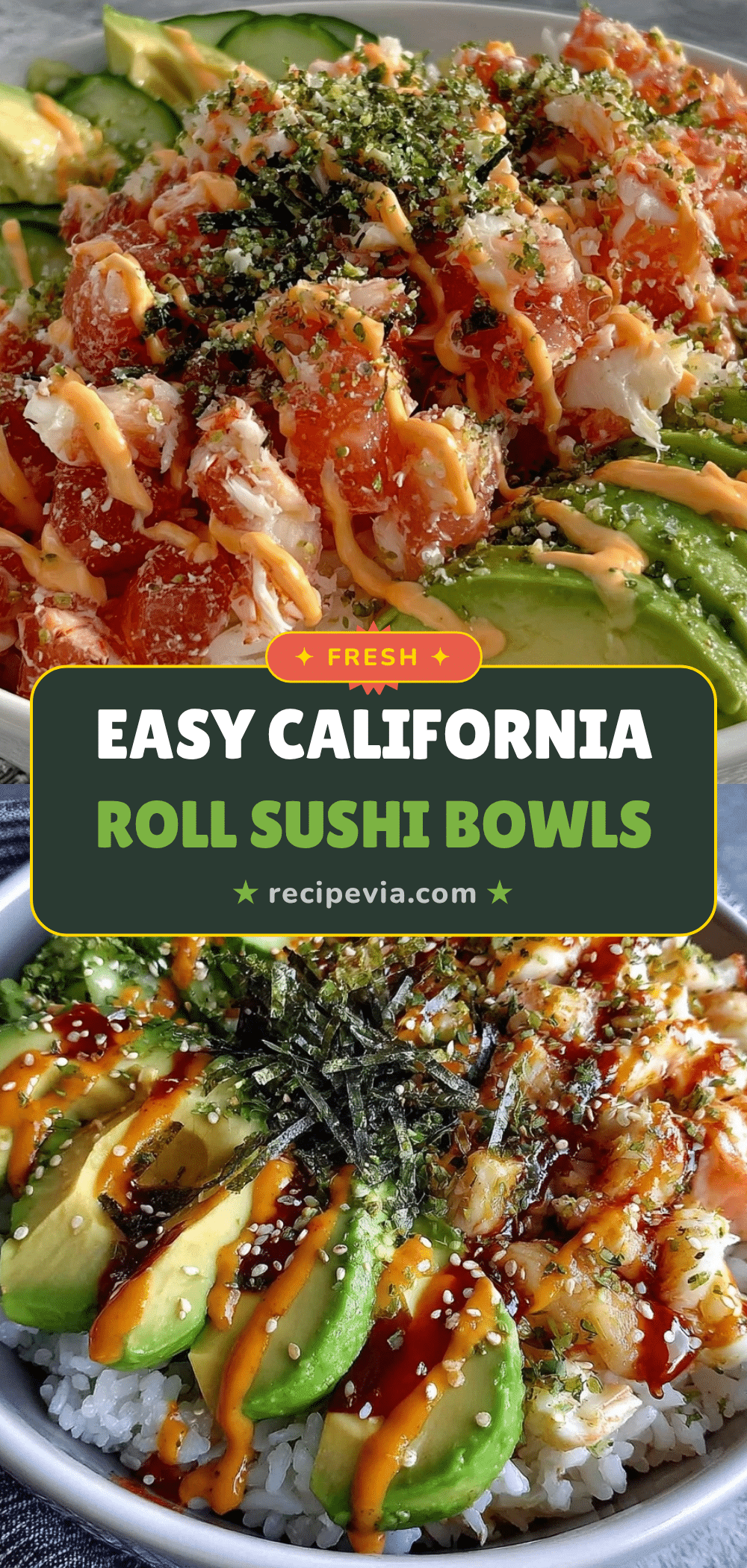

Easy California Roll Sushi Bowls: 5-Ingredient Pantry Meal
- Total Time: 30 minutes
- Yield: 2 servings 1x
Description
A quick, gluten-free friendly sushi bowl that captures the flavors of a California Roll without the hassle of rolling. This pantry-based meal is ready in under 20 minutes and is perfect for busy weeknights or meal prep.
Ingredients
- 1 cup short-grain Japanese sushi rice (e.g., Kokuho Rose or Nishiki)
- 1 cup water (for cooking rice)
- 2 tablespoons rice vinegar
- 1 teaspoon granulated sugar
- 1/2 teaspoon salt
- 1 English cucumber, sliced into thin matchsticks or cubes
- 1 ripe avocado, sliced into wedges
- 1 can (6-8 oz) crab sticks (surimi), drained and shredded
- 1 sheet nori, toasted and broken into pieces
- 1 tablespoon Japanese Kewpie mayonnaise or regular mayo
- 1 tablespoon soy sauce or tamari
- 1 green onion, thinly sliced
Instructions
- Rinse the sushi rice under cold water until the water runs clear. Combine rice and water in a rice cooker or saucepan using a 1:1.1 ratio. Cook according to appliance instructions or simmer covered for 15 minutes, then let rest covered for 10 minutes.
- While the rice cooks, whisk together rice vinegar, sugar, and salt in a small bowl. Microwave for 10 seconds to dissolve sugar.
- Transfer hot rice to a large mixing bowl. Drizzle vinegar mixture over rice and gently fold using a cutting motion with a rice paddle. Let cool to room temperature.
- Slice cucumber and avocado. Soak avocado wedges in cold water for a minute to prevent browning, then drain.
- Shred crab sticks into bite-sized pieces.
- Toast nori sheets over an open flame or in a dry pan until crispy, then break into irregular pieces.
- Assemble bowls by placing seasoned rice at the bottom. Top with cucumber, avocado, and crab. Drizzle with soy sauce or mayo, and garnish with green onions and nori pieces. Serve immediately.
Notes
Do not mash the rice when mixing the dressing; use gentle cutting motions to keep grains separate. Soak avocado in cold water to prevent browning. For meal prep, store components separately and add avocado and nori just before eating to maintain texture.
- Prep Time: 10 minutes
- Cook Time: 20 minutes
- Category: Main Course
- Cuisine: Japanese
Nutrition
- Serving Size: 1 bowl
- Calories: 450
- Sugar: 8
- Sodium: 680
- Fat: 12
- Saturated Fat: 2
- Carbohydrates: 65
- Fiber: 4
- Protein: 15
Keywords: sushi bowl, california roll, easy dinner, gluten-free, meal prep, healthy lunch, quick recipes, pantry meals