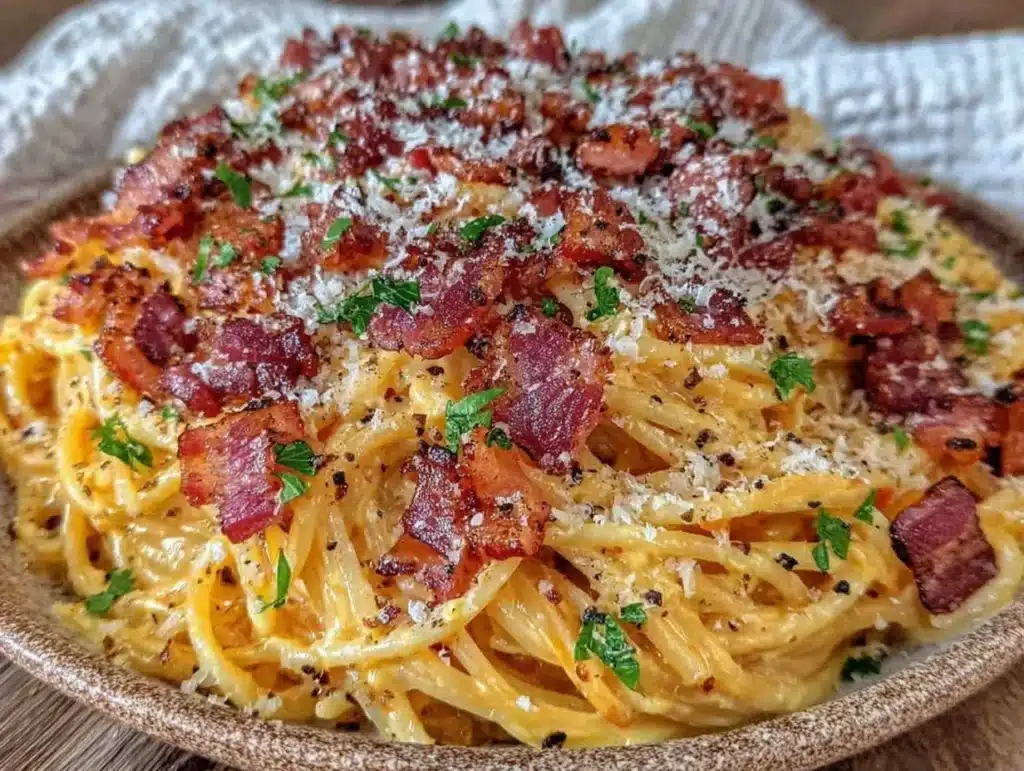
Let’s be honest for a second. The idea of making restaurant-quality pasta at home usually comes with a hefty price tag attached to the grocery receipt. You know the drill. You see a recipe online, get excited, and then realize you need imported Pecorino Romano, guanciale that costs more than my hourly wage, and eggs from chickens that probably listen to classical music. That was me, standing in the pasta aisle last Tuesday, feeling pretty defeated.
But then I remembered that time I tried to recreate a famous chef’s dish after watching his show on repeat during a rainy Sunday. I wanted that rich, creamy texture without the luxury ingredients. I wanted the soul of Gordon Ramsay Carbonara but on a budget that actually makes sense for a family dinner. Honestly, it was a disaster at first. My eggs scrambled. The sauce broke. I nearly threw the whole pot out the window. But after a few more tries, I cracked the code.
This isn’t just another carbonara recipe. It’s a survival guide for weeknight dinners when you’re tired, broke, and hungry. I’ve tested this version so many times that I can probably make it with my eyes closed. It uses simple ingredients you likely already have in your fridge. It’s fast, it’s forgiving, and it tastes like you spent hours on it. If you’re looking for a way to stretch your grocery budget while still eating like royalty, you’re in the right place. Let’s get cooking.
Why You’ll Love This Budget-Friendly Recipe
There is a specific kind of magic that happens when you combine cheap ingredients with the right technique. This recipe works because it strips away the pretension and focuses on what actually matters: flavor and satisfaction. I’ve made this over a dozen times, and it never fails to impress my family, even when they know exactly what went into it. Here is why this version stands out from the crowd.
- Quick & Easy: You can have this on the table in under 20 minutes. It is perfect for those chaotic weeknights when you want to avoid the takeout menu but don’t have the energy to chop a mountain of vegetables.
- Simple Ingredients: No fancy grocery trips needed. You likely already have eggs, cheese, and bacon in your kitchen. This recipe relies on pantry staples that don’t require a special trip to an Italian specialty shop.
- Perfect for Busy Families: Kids love the creamy sauce, and adults love that it feels like a treat. It’s a meal that satisfies everyone without turning dinner into a debate.
- Crowd-Pleaser: It always gets rave reviews. Even the pickiest eaters usually ask for seconds because the texture is so comforting.
- Unbelievably Delicious: The balance of salty bacon, sharp cheese, and rich egg creates a next-level comfort food experience that feels indulgent but is actually quite simple.
What makes this different from other versions is the technique. Many people think you need guanciale to get the right flavor, but properly cooked regular bacon or pancetta, combined with a specific method of tempering the eggs, gives you that same luxurious mouthfeel. It’s not just good—it is the kind of pasta that makes you close your eyes after the first bite. It’s comfort food reimagined for the real world.
What Ingredients You Will Need
This recipe uses simple, wholesome ingredients to deliver bold flavor and satisfying texture without the fuss. The key here is quality over quantity. Since we are using fewer ingredients, each one needs to do heavy lifting. I recommend buying the best eggs you can find within your budget, as they are the base of the sauce. For the cheese, a mix of Parmesan and a cheaper Pecorino blend works wonders for cost savings without sacrificing flavor.
- Spaghetti or Fettuccine (400g / 14oz): The classic choice. Any long pasta works, but stick to dried for better texture control. Look for sales on bulk boxes.
- Guanciale or Bacon (200g / 7oz): Traditional recipes call for guanciale, but for a budget meal, thick-cut bacon or pancetta is the way to go. It renders down to create that essential salty fat. I prefer thick-cut bacon for its chewiness.
- Egg Yolks (4 large): Use only yolks for a richer, creamier sauce. Save the whites for an omelet or to egg wash some bread later. This reduces waste and adds luxury.
- Whole Egg (1 large): Adding one whole egg helps bind the sauce and prevents it from being too heavy. Room temperature is best here.
- Parmesan Cheese (100g / 3.5oz, grated): Freshly grated is non-negotiable. Pre-shredded cheese contains anti-caking agents that ruin the sauce texture. Buy a wedge and grate it yourself.
- Pecorino Romano (50g / 1.7oz, grated): This sharp sheep’s milk cheese adds the authentic punch. If it’s too expensive, you can substitute more Parmesan, but the flavor profile changes slightly.
- Freshly Cracked Black Pepper (2 tsp): Use a good amount. The pepper is a main flavor component, not just a garnish. Freshly cracked gives you the best aroma.
- Salt (for pasta water): Only add salt to the water, not the sauce, since the bacon and cheese are already salty.
I personally recommend keeping a bag of frozen peas or some fresh parsley on hand if you want to add a pop of color and nutrition, though it is not traditional. This recipe is built around whatever is on sale. If bacon is on sale, buy extra. If pasta is cheap, stock up. It’s about being resourceful.
Do I need guanciale?
Not at all. While guanciale is traditional, it is hard to find and expensive. Thick-cut bacon or pancetta provides a similar salty, fatty base that works beautifully for home cooking.
Equipment Needed
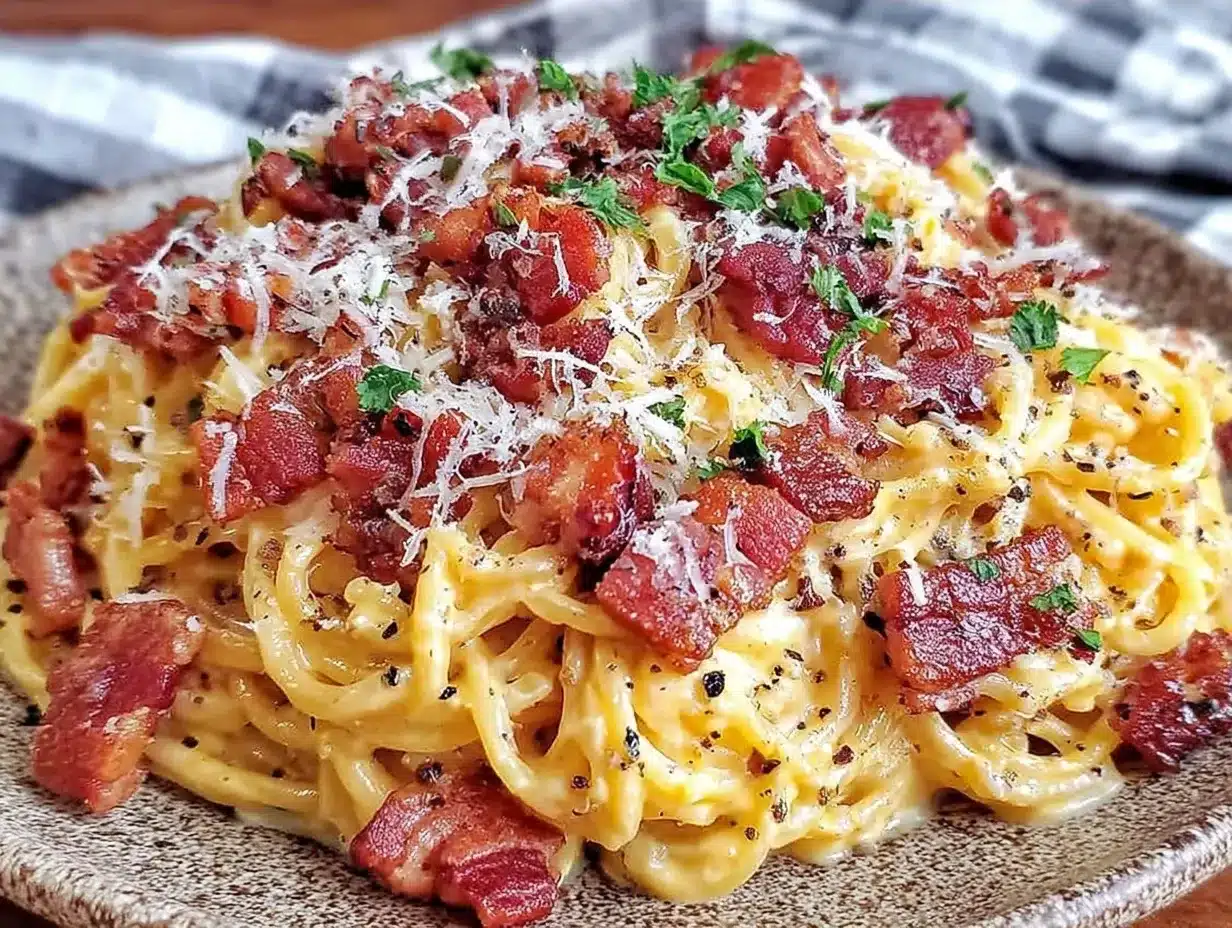
You don’t need a fancy kitchen to make this dish. Here is what you actually need to get the job done right.
- Large Dutch Oven or Heavy-Bottomed Pot: This is crucial. You need a pot that retains heat well. A thin pot will cool down too fast when you add the pasta, leading to scrambled eggs.
- Large Mixing Bowl: For whisking your eggs and cheese. A wide bowl helps you mix more evenly.
- Tongs: Essential for tossing the pasta in the sauce. Forks will just break the noodles.
- Grater: A microplane is ideal for the cheese, making it melt faster into the warm eggs.
- Reserve Cup: Keep a mug handy to save some starchy pasta water. This liquid gold is your secret weapon for adjusting sauce consistency.
If you don’t have a Dutch oven, a heavy skillet works too. Just make sure it has high sides. Avoid non-stick pans if you can, as you want some fond (browned bits) on the bottom to add flavor, though it’s not strictly necessary.
Preparation Method
Let’s get into the nitty-gritty. This part is where most people mess up, so pay attention. The goal is a creamy emulsion, not scrambled eggs. Here is how to do it step-by-step.
- Prep Your Mise en Place (5 minutes): Before you turn on the stove, get everything ready. Grate your cheeses and mix them in your mixing bowl. Add the black pepper to the cheese. Whisk in the egg yolks and the whole egg. Whisk until smooth and pale yellow. Set this bowl aside near the stove. If you wait until the bacon is cooked to do this, you’ll be rushing.
- Cook the Meat (5 minutes): Place your bacon or pancetta in a cold, large pot or skillet. Turn the heat to medium. Let it render slowly. This draws out the fat and crisps the meat without burning it. You want golden brown bits, not charcoal. Once cooked, remove the meat with a slotted spoon and set aside, but leave the rendered fat in the pan.
- Boil the Pasta (8-10 minutes): Bring a large pot of salted water to a boil. Add your spaghetti. Cook until al dente, which means it still has a slight bite. This is usually one minute less than the package instructions. Crucial Step: Before draining, scoop out about one cup of the starchy pasta water. Reserve it.
- Combine Pasta and Fat (2 minutes): Transfer the hot pasta directly into the skillet with the bacon fat. Toss well to coat every strand. The pasta should be hot enough to help cook the eggs later. Turn the heat to low or off completely. This is vital.
- Temper the Eggs (1 minute): This is the trickiest part. Take a ladle of the hot pasta water and slowly drizzle it into your egg and cheese mixture while whisking constantly. This warms the eggs up gradually so they don’t shock into scrambled eggs when they hit the hot pasta.
- Create the Sauce (2 minutes): Pour the tempered egg mixture over the hot pasta in the skillet. Add the crispy bacon back in. Toss vigorously and continuously. The residual heat from the pasta and the pan will cook the eggs gently, creating a creamy sauce. If it looks too thick, add a splash more reserved pasta water. Keep tossing until glossy and creamy.
- Serve Immediately: Plate the pasta right away. Top with extra cracked black pepper and a small sprinkle of extra cheese if you want. Eat it hot.
My tip: Don’t be afraid to keep tossing. The motion is what creates the emulsion. If you stop moving, the sauce might break. It’s like making mayonnaise, but with pasta.
Why does my sauce look curdled?
If your sauce looks curdled, the pan was too hot when you added the eggs. Always turn off the heat before adding the egg mixture. The residual heat is enough to cook the eggs safely. If it happens, add a splash of cold water and whisk vigorously to bring it back together.
Cooking Tips & Techniques
I’ve made every mistake in the book so you don’t have to. Here are some pro tips to ensure success every single time.
- Control the Heat: The biggest mistake is keeping the heat on high when adding eggs. Turn it off. Let the pasta’s heat do the work. If your pan is very thick, it might stay hot for a while, so be cautious.
- Use Starchy Water: That pasta water is not just water. It’s full of starch, which helps bind the fat and egg into a smooth sauce. Add it a little at a time until you reach your desired consistency.
- Don’t Skip the Pepper: The black pepper should be visible on the plate. It provides a spicy kick that cuts through the richness of the fat and cheese. Use a generous amount.
- Work Fast: Once the eggs hit the pasta, you have about 30 seconds to get it coated before it starts setting. Have your tongs ready and be ready to move.
- Room Temperature Eggs: Cold eggs shock the hot pasta more easily. If you have time, let your eggs sit out for 15 minutes before starting. It makes a subtle difference in texture.
I once tried to make this with cold eggs straight from the fridge, and the result was a weird, clumpy mess. Don’t be like me. Take the extra minute to let them warm up.
Variations & Adaptations
This recipe is a canvas. Once you master the base, you can tweak it to suit your taste or what’s in your fridge.
- Vegetarian Version: Swap the bacon for sautéed mushrooms or roasted broccoli. Mushrooms add a savory umami flavor that mimics the meat nicely. Sauté them in the bacon fat (or olive oil) before adding the pasta.
- Low-Carb Option: Use zucchini noodles or spaghetti squash instead of wheat pasta. The sauce works perfectly with these alternatives. Just be careful not to overcook the zucchini, or it will get mushy.
- Spicy Kick: Add a pinch of red pepper flakes to the egg mixture or toss them in with the bacon. It adds a nice heat that balances the creaminess.
- Herb Infusion: Stir in some fresh parsley or chives at the end for a fresh, bright flavor. It’s not traditional, but it adds a nice color contrast and freshness.
- Chicken Add-In: For a heartier meal, add grilled chicken strips. This turns it into a more substantial lunch or dinner option for hungry teens.
I often add a handful of frozen peas at the end for my kids. They melt into the sauce and add a bit of sweetness. It’s a hack my family loves, even if purists might side-eye it.
Can I use milk or cream?
Traditional carbonara does not use cream. The creaminess comes from the emulsion of egg, cheese, and pasta water. Adding cream can make the dish heavy and mask the delicate flavor of the eggs. Stick to the traditional method for the best results.
Serving & Storage Suggestions
Carbonara is best eaten immediately. It doesn’t hold well in the fridge because the eggs continue to set and the pasta absorbs the sauce, becoming dry and hard.
- Serving Temperature: Serve it piping hot. The warmth helps keep the sauce loose and creamy.
- Complementary Dishes: A simple green salad with a lemon vinaigrette cuts through the richness of the pasta. Roasted asparagus or steamed broccoli are also great sides.
- Storage: If you must save leftovers, store the pasta and sauce separately. The pasta in the fridge will get hard. Reheat gently with a splash of water or milk to loosen it up.
- Reheating: Microwave in short bursts, adding liquid each time. Or reheat in a pan over low heat with a bit of broth. Do not use high heat, or the eggs will scramble further.
The flavor is best fresh. It’s a dish that rewards immediate attention. Don’t meal prep this one for the week ahead.
Nutritional Information & Benefits
While carbonara is indulgent, it’s also relatively simple nutritionally. Eggs provide high-quality protein and essential vitamins like B12 and D. The cheese offers calcium and protein. However, it is high in saturated fat and sodium due to the bacon and cheese.
Here are some rough estimates per serving (assuming 4 servings):
| Nutrient | Amount |
|---|---|
| Calories | 650 kcal |
| Protein | 25g |
| Carbohydrates | 70g |
| Fat | 28g |
| Fiber | 3g |
For a healthier twist, use whole wheat pasta and leaner turkey bacon. You can also increase the vegetable content by adding spinach or peas. It’s all about balance. Enjoy it as a treat, not a daily staple.
Is this recipe gluten-free?
Not traditionally, as it uses wheat pasta. However, you can easily make it gluten-free by using gluten-free spaghetti. Just be aware that gluten-free pasta can be more delicate, so handle it gently when tossing.
Conclusion
Making Gordon Ramsay Carbonara at home doesn’t have to be an expensive or complicated affair. With the right technique and a few smart swaps, you can create a dish that tastes gourmet but costs very little. It’s about using what you have and trusting the process. I hope this recipe brings you joy, full bellies, and maybe a little bit of pride in your cooking skills.
Try it out this week. Let me know how it goes. Did you stick to the traditional method, or did you add your own twist? I’d love to hear about it in the comments below. Share your photos if you can—seeing your creations makes my day. And if you have friends who love pasta, send them this recipe. Happy cooking!
Frequently Asked Questions
Can I use pre-shredded cheese?
It’s not recommended. Pre-shredded cheese contains cornstarch to prevent clumping, which can make your sauce grainy and prevent it from melting smoothly. Always grate your cheese fresh for the best texture.
Why is my carbonara soupy?
If the sauce is too thin, you may have added too much pasta water. Keep tossing and let the residual heat evaporate some of the liquid. Alternatively, you can add a bit more cheese to thicken it.
Can I make this ahead of time?
No. Carbonara is best served immediately. The sauce will continue to thicken and harden as it cools, and the pasta will become mushy. It’s a dish that requires fresh preparation.
What is the difference between carbonara and Alfredo?
Carbonara uses eggs, cheese, and pork fat for creaminess, while Alfredo uses butter and heavy cream. Carbonara has a sharper, saltier flavor profile, whereas Alfredo is milder and richer.
Can I freeze leftover carbonara?
Freezing is not ideal. The eggs and cheese can separate upon thawing, resulting in a grainy texture. It’s better to eat it fresh or store it in the fridge for up to one day and reheat gently.
Pin This Recipe!
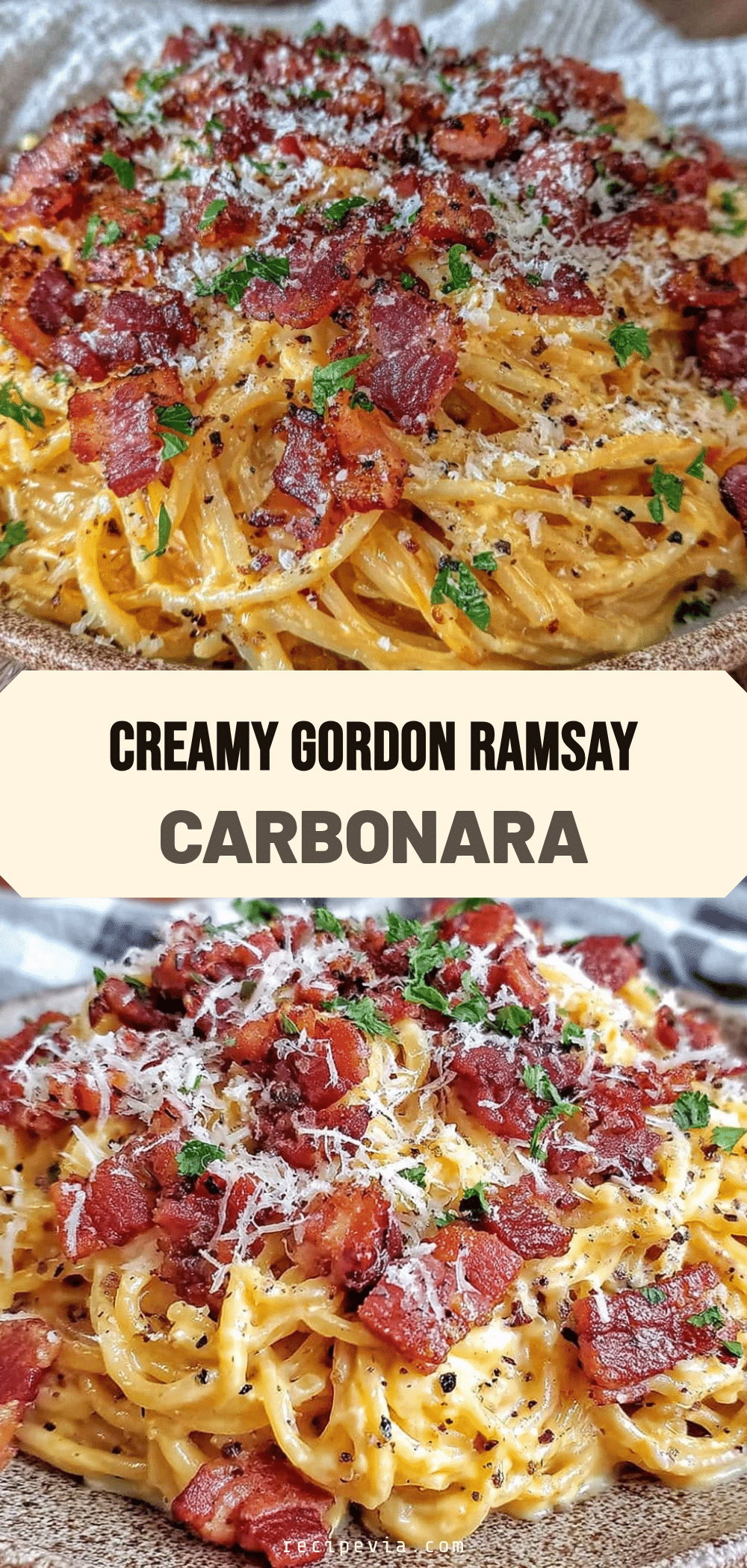
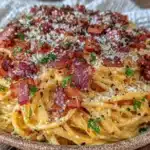
Gordon Ramsay Carbonara: 5-Ingredient Budget Meal
- Total Time: 20 minutes
- Yield: 4 servings 1x
Description
A budget-friendly, weeknight-friendly carbonara recipe that uses simple pantry staples like bacon and eggs to create a rich, creamy sauce without the need for expensive imported ingredients like guanciale.
Ingredients
- 400g (14oz) Spaghetti or Fettuccine
- 200g (7oz) Thick-cut Bacon or Pancetta
- 4 large Egg Yolks
- 1 large Whole Egg
- 100g (3.5oz) Parmesan Cheese, freshly grated
- 50g (1.7oz) Pecorino Romano, freshly grated
- 2 tsp Freshly Cracked Black Pepper
- Salt (for pasta water)
Instructions
- Prep your mise en place: Grate cheeses and mix in a large bowl with black pepper. Whisk in egg yolks and whole egg until smooth and pale yellow. Set aside near the stove.
- Cook the meat: Place bacon or pancetta in a cold large pot or skillet. Turn heat to medium and let render slowly until golden brown and crispy. Remove meat with a slotted spoon, leaving rendered fat in the pan.
- Boil the pasta: Bring a large pot of salted water to a boil. Add spaghetti and cook until al dente (usually 1 minute less than package instructions). Reserve about one cup of starchy pasta water before draining.
- Combine pasta and fat: Transfer hot pasta directly into the skillet with the bacon fat. Toss well to coat every strand. Turn heat to low or off completely.
- Temper the eggs: Slowly drizzle a ladle of hot pasta water into the egg and cheese mixture while whisking constantly to warm the eggs gradually.
- Create the sauce: Pour the tempered egg mixture over the hot pasta in the skillet. Add the crispy bacon back in. Toss vigorously and continuously. The residual heat will cook the eggs gently into a creamy sauce. Add more pasta water if too thick.
- Serve immediately: Plate the pasta hot, topped with extra cracked black pepper and a sprinkle of extra cheese.
Notes
Do not use pre-shredded cheese as it contains anti-caking agents that ruin the sauce texture. Ensure eggs are at room temperature to prevent scrambling. Turn off the heat before adding the egg mixture; rely on residual heat to cook the eggs. If the sauce breaks, add a splash of cold water and whisk vigorously.
- Prep Time: 5 minutes
- Cook Time: 15 minutes
- Category: Main Course
- Cuisine: Italian
Nutrition
- Serving Size: 1 plate (approx. 1/4
- Calories: 650
- Sugar: 2
- Sodium: 800
- Fat: 28
- Saturated Fat: 10
- Carbohydrates: 70
- Fiber: 3
- Protein: 25
Keywords: carbonara, budget meal, easy pasta, weeknight dinner, Gordon Ramsay, bacon pasta, creamy pasta, Italian recipe, family dinner