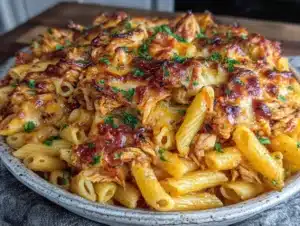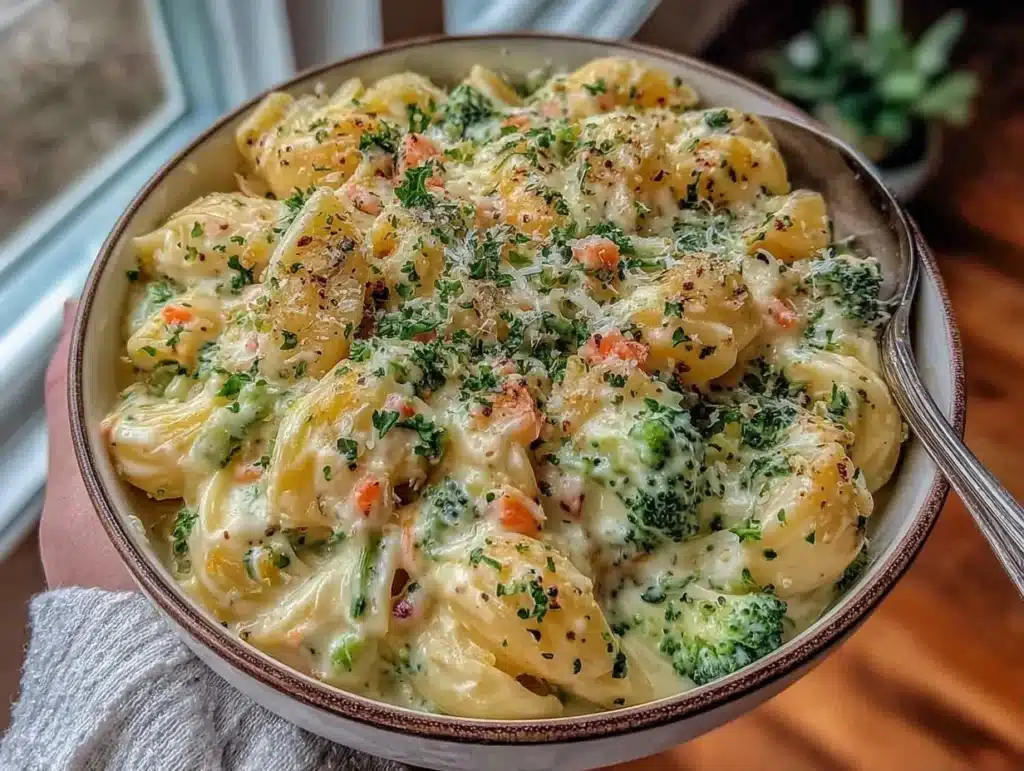
There is a specific kind of magic that happens when pasta, cheese, and milk collide in a single pot. I remember the first time I made this one pot healthy mac and cheese, it was a Tuesday night, and the fridge was looking pretty sad. I had three sad-looking carrots, half a carton of milk, and a block of cheddar that was starting to get dusty. Honestly, I was ready to order takeout. But then I remembered I had a box of macaroni and a handful of frozen peas. I decided to give it one last shot. The result? Creamy, cheesy, and surprisingly wholesome. It tasted like comfort food, but it didn’t leave me feeling sluggish an hour later. That meal saved my evening and my wallet.
Let’s face it, traditional mac and cheese recipes often call for a roux, heavy cream, and a mountain of butter. While delicious, they aren’t exactly what I’d call “stretching the budget” or “healthy” in the way that keeps you energized for the rest of the night. This version skips the fuss. You don’t need to watch a saucepan on low heat while stirring constantly. You don’t need to wash three different bowls. You just dump, simmer, and stir. It’s the kind of meal that feels like a treat but is actually just smart cooking. I’ve tested this recipe over a dozen times, tweaking the cheese ratios and noodle types, and this is the sweet spot. It’s creamy without being heavy, and it’s cheap enough to make twice a week.
I love this recipe because it turns pantry staples into something that feels gourmet. My kids, who are usually skeptical of anything that isn’t fried, ask for seconds. And the best part? It’s literally one pot. One pot means less cleanup, which means more time for me to relax. If you’re looking for a dinner that is healthy, cheap, and easy, this is it. It’s the ultimate resourceful cook’s secret weapon. You know how sometimes you just want dinner to be simple? This is that dinner. It’s reliable, it’s delicious, and it proves that you don’t need expensive ingredients to make something amazing.
Why You’ll Love This Recipe
After making this one pot healthy mac and cheese for months, I can tell you it’s not just another pasta dish. It’s a game-changer for busy weeknights. Here is why it keeps coming back to the top of my menu:
- Quick & Easy: It comes together in under 20 minutes. You start boiling water and adding ingredients at the same time. It’s perfect for those nights when you’re hungry and tired.
- Simple Ingredients: You likely already have everything in your kitchen. Pasta, milk, cheese, and a few veggies. No fancy grocery trips needed. It’s pantry-friendly.
- Perfect for Family Dinners: This is great for picky eaters. The cheese masks the veggies, and the kids love the creamy texture. It’s a crowd-pleaser every single time.
- Unbelievably Delicious: The texture is next-level. Because the starch from the pasta stays in the pot, it creates a natural sauce. It’s comfort food reimagined—healthier, faster, but with the same soul-soothing satisfaction.
- Budget-Friendly: This is the kind of meal that makes you stretch a dollar further. It turns cheap pasta into a hearty meal. It’s tonight’s dinner, tomorrow’s lunch, for free.
What makes this recipe different from the rest is the technique. Most people think you need a roux for creamy mac and cheese. But by cooking the pasta directly in the milk and water mixture, the starch releases naturally. It thickens the sauce without any extra flour or butter. I tried blending cottage cheese in some versions, but this method is simpler and tastes more traditional. It’s not just good—it’s the kind of recipe that makes you close your eyes after the first bite. It’s perfect for impressing guests without stress, or turning a simple meal into something memorable. I’ve served this to friends who thought I was ordering in, and they were shocked to learn it was made from scratch in one pot.
What Ingredients You Will Need
This recipe uses simple, wholesome ingredients to deliver bold flavor and satisfying texture without the fuss. You don’t need to go to a specialty store for this. Most of these items are staples in any home cook’s pantry. I like to keep it flexible, so you can use what you have on hand. Here is what you need to get started.
- Elbow Macaroni: About 8 ounces (225g). Standard dry pasta works best here. It holds its shape well and absorbs the sauce nicely. I recommend looking for whole wheat if you want extra fiber, but regular white pasta is fine too.
- Unsalted Butter: 2 tablespoons. This adds richness and helps the cheese melt smoothly. If you are dairy-free, you can use olive oil or a plant-based butter substitute.
- Yellow Onion: 1 small, finely diced. This adds a savory base note. It’s optional if you’re in a rush, but it really deepens the flavor profile.
- Garlic: 2 cloves, minced. Fresh garlic is best. Pre-minced jarred garlic works in a pinch, but fresh has a brighter taste.
- Chicken Broth: 1 cup (240ml). Using broth instead of all water adds a nice savory depth. You can use vegetable broth for a vegan version. Make sure it’s low sodium so you can control the salt.
- Whole Milk: 1 cup (240ml). Whole milk gives the creamiest result. Skim milk will work, but the sauce might be a bit thinner. If you have almond milk, unsweetened vanilla works too for a lighter version.
- Sharp Cheddar Cheese: 1 cup (100g), freshly grated. This is the star. Pre-shredded cheese contains anti-caking agents that prevent smooth melting. Buy a block and grate it yourself for the best texture.
- Mozzarella Cheese: 1/2 cup (50g), shredded. This adds that stretchy, gooey quality. It balances the sharpness of the cheddar.
- Dijon Mustard: 1 teaspoon. This is the secret weapon. It doesn’t make it taste like mustard; it just boosts the cheese flavor. It’s a pro tip I learned early on.
- Garlic Powder: 1/2 teaspoon. Adds an extra layer of savory goodness.
- Salt and Pepper: To taste. Always season at the end so you don’t over-salt the milk.
- Frozen Peas or Corn: 1/2 cup. These add color, texture, and nutrients. They are cheap and easy to stash in the freezer. In summer, I sometimes swap in fresh spinach or diced bell peppers.
I personally love using a mix of cheddar and mozzarella. The cheddar gives the tang, and the mozzarella gives the pull. If you are on a budget, look for store-brand cheese blocks and grate them yourself. It saves money and improves the melt. For the milk, if you have leftover milk from cereal, this is the perfect way to use it up. It’s all about stretching what you have. You can also substitute the pasta with gluten-free elbow noodles if needed. Just keep an eye on the cooking time, as they can get mushy faster.
Which Pot Should I Use?
The equipment list is super short. You mainly need a large pot or deep skillet with a lid. I use a 4-quart Dutch oven because it distributes heat evenly. A large saucepan works too, as long as it has enough room for the pasta to move around. If you don’t have a lid, a piece of foil or a plate can work in a pinch. You also need a wooden spoon for stirring and a box grater for the cheese. No fancy gadgets needed. Just basic tools you probably already own.
Preparation Method
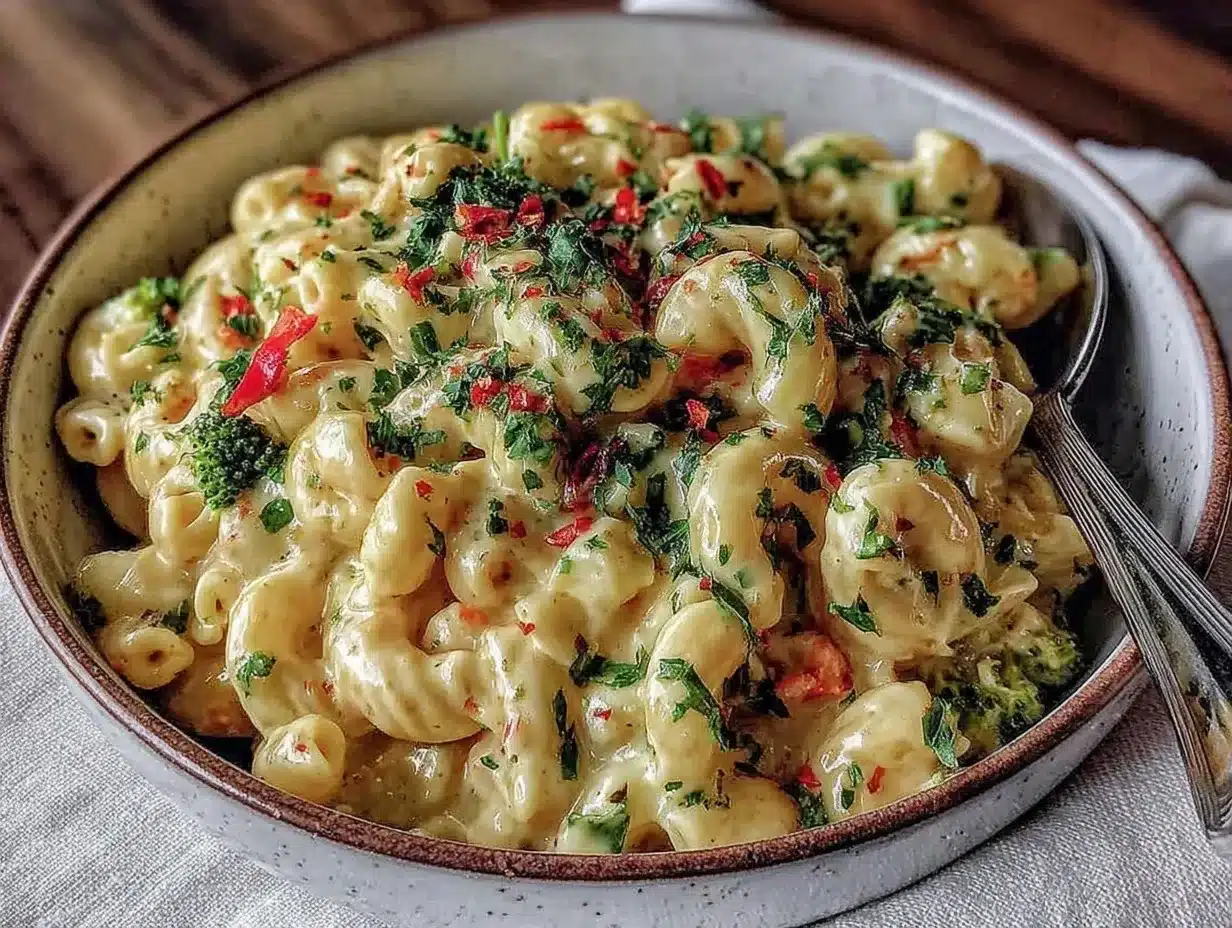
Here is exactly how to make this one pot healthy mac and cheese. It’s straightforward, but there are a few tricks to get it perfect.
- Prep the Veggies and Cheese: Dice the onion and mince the garlic. Grate the cheddar and mozzarella cheeses. Having everything ready before you start cooking makes the process smooth. This takes about 5 minutes.
- Sauté the Aromatics: Place your large pot over medium heat. Add the butter. Once melted, add the diced onion. Cook for 3-4 minutes until the onion is soft and translucent. Add the minced garlic and cook for another 30 seconds until fragrant. Be careful not to burn the garlic, or it will taste bitter.
- Add Pasta and Liquids: Pour in the dry macaroni. Stir it around for a minute to coat it in the butter. This helps prevent sticking. Then, add the chicken broth and milk. Stir well to combine. The mixture should look soupy at this point. Don’t worry, that’s normal.
- Bring to a Simmer: Increase the heat to medium-high and bring the mixture to a boil. Once it starts bubbling, reduce the heat to medium-low. Cover the pot with a lid. Let it simmer for about 8-10 minutes. Stir every 2-3 minutes to prevent the pasta from sticking to the bottom. The pasta will absorb the liquid and release starch.
- Check for Doneness: After 8 minutes, check the pasta. It should be tender but still have a slight bite (al dente). If it’s still hard, add a splash more water or broth and cook for another 2 minutes. If the liquid is gone but the pasta is still hard, you added too much liquid earlier. Next time, use less milk.
- Remove from Heat: Once the pasta is cooked and most of the liquid has been absorbed, remove the pot from the heat. This is crucial. You don’t want to boil the cheese, or it can become grainy.
- Add Cheese and Seasonings: Sprinkle the grated cheddar and mozzarella over the hot pasta. Add the Dijon mustard, garlic powder, salt, and pepper. Also, stir in the frozen peas or corn now; the residual heat will warm them through. Stir gently until the cheese is completely melted and the sauce is creamy. This takes about 1-2 minutes.
- Rest and Serve: Let the mac and cheese sit for 2 minutes before serving. This allows the sauce to thicken slightly and coat the pasta better. Taste and adjust seasoning if needed. Serve warm.
If the sauce looks too thick, add a little more milk. If it’s too thin, let it sit longer. The starch will continue to thicken it as it cools. I often find that the consistency changes slightly after sitting, so it’s good to keep a little extra milk on hand.
Cooking Tips & Techniques
I’ve made enough mac and cheese to know a few things that go wrong. Here is how to avoid them. First, don’t skip the sautéing step. Cooking the onion and garlic in the butter first builds a flavor foundation. Raw onion in the sauce just tastes sharp and uncooked. Second, stir frequently. Pasta releases starch, and if it sits still, it sticks to the bottom and burns. A quick stir every few minutes saves the dish. Third, remove the pot from the heat before adding cheese. High heat can break the emulsion of the cheese, making it oily. The residual heat is enough to melt it perfectly. I once added cheese while the pot was still on high heat, and the sauce separated. It was a mess. Lesson learned. Also, taste your cheese before buying. Some block cheeses are saltier than others. Adjust your added salt accordingly. For consistency, use the same type of pasta each time you make it. Different shapes absorb liquid at different rates. Stick to elbows for this recipe.
Variations & Adaptations
This recipe is very flexible. Here are a few ways to change it up. For a vegetarian version, use vegetable broth instead of chicken broth. You can also add diced ham or cooked bacon for extra protein. If you want to go gluten-free, use gluten-free elbow pasta. Just be careful not to overcook it, as GF pasta can get mushy. For a lighter version, use low-fat milk and reduced-fat cheese. It won’t be as creamy, but it’s still tasty. I also love adding roasted cauliflower or butternut squash cubes. Just roast them separately and stir them in at the end. For a spicy kick, add a pinch of cayenne pepper or some diced jalapeños. You can also swap the cheddar for pepper jack or gouda for different flavor profiles. These variations keep the recipe interesting and prevent dinner boredom.
Serving & Storage Suggestions
Serve this mac and cheese hot, straight from the pot. It pairs well with a simple green salad or steamed broccoli. I like to add a sprinkle of fresh parsley or chives on top for color. For leftovers, store them in an airtight container in the fridge for up to 3 days. The pasta will absorb more liquid as it sits, so it will look thicker. To reheat, add a splash of milk or water and warm it in the microwave or on the stove, stirring frequently. It freezes well too. Portion it into containers and freeze for up to 2 months. Thaw in the fridge overnight and reheat with extra liquid. The flavors actually develop over time, so day-two mac and cheese is often even better than day-one.
Nutritional Information & Benefits
This one pot healthy mac and cheese is a balanced meal. The pasta provides carbohydrates for energy. The cheese offers protein and calcium. The veggies add fiber and vitamins. It’s not a diet food, but it’s much lighter than traditional versions. Each serving has roughly 400-500 calories, depending on the cheese and milk used. It’s a good source of calcium and protein. For those watching sodium, use low-sodium broth and control the added salt. It’s a comforting meal that doesn’t leave you feeling heavy. I enjoy it as part of a balanced diet, paired with veggies for extra nutrients.
Conclusion
This one pot healthy mac and cheese is a staple in my home for good reason. It’s cheap, easy, and delicious. It stretches your grocery budget while feeding your family. I hope you try it and see why I love it so much. Feel free to customize it with your favorite veggies or cheeses. Let me know how it turns out in the comments. I’d love to hear your variations. Happy cooking!
Frequently Asked Questions
Can I use whole wheat pasta?
Yes, whole wheat pasta works well. It has a nuttier flavor and more fiber. Just note that it may absorb liquid faster, so check it sooner.
Can I make this dairy-free?
Absolutely. Use plant-based butter, almond milk, and dairy-free cheese shreds. The texture might be slightly different, but it’s still tasty.
Why is my mac and cheese too thick?
The pasta continues to absorb liquid after cooking. If it’s too thick, simply stir in a little more milk or broth until it reaches your desired consistency.
Can I bake this in the oven?
Yes, you can transfer it to a baking dish, top with breadcrumbs, and bake at 350°F for 15 minutes for a crispy top. But the one-pot version is creamier.
How do I prevent the cheese from clumping?
Remove the pot from the heat before adding cheese. Stir gently and gradually. Use freshly grated cheese, not pre-shredded, for the smoothest melt.
Pin This Recipe!
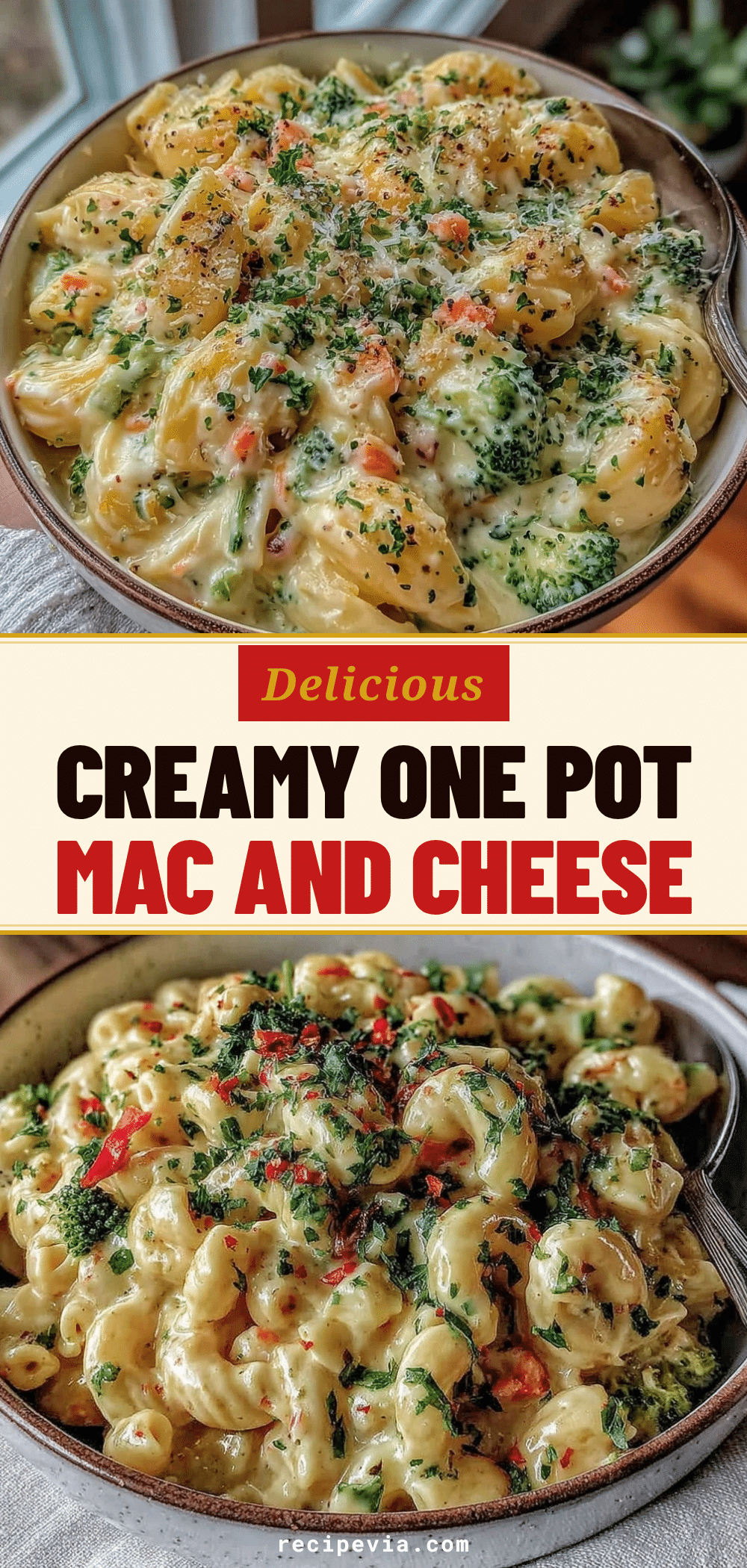

One Pot Healthy Mac And Cheese
- Total Time: 20 minutes
- Yield: 4 servings 1x
Description
A creamy, cheesy, and wholesome one-pot mac and cheese that skips the roux and heavy cream. This budget-friendly dinner uses simple pantry staples and cooks in under 20 minutes for a quick, family-friendly meal.
Ingredients
- 8 ounces (225g) elbow macaroni
- 2 tablespoons unsalted butter
- 1 small yellow onion, finely diced
- 2 cloves garlic, minced
- 1 cup (240ml) chicken broth (or vegetable broth for vegan)
- 1 cup (240ml) whole milk
- 1 cup (100g) sharp cheddar cheese, freshly grated
- 1/2 cup (50g) mozzarella cheese, shredded
- 1 teaspoon Dijon mustard
- 1/2 teaspoon garlic powder
- Salt and pepper to taste
- 1/2 cup frozen peas or corn
Instructions
- Dice the onion and mince the garlic. Grate the cheddar and mozzarella cheeses.
- Place a large pot over medium heat and add the butter. Once melted, add the diced onion and cook for 3-4 minutes until soft and translucent.
- Add the minced garlic and cook for another 30 seconds until fragrant.
- Pour in the dry macaroni and stir to coat in butter. Add the chicken broth and milk, stirring to combine.
- Increase heat to medium-high and bring to a boil. Reduce heat to medium-low, cover with a lid, and simmer for 8-10 minutes, stirring every 2-3 minutes.
- Check pasta for doneness; it should be tender but al dente. Add a splash of water if needed.
- Remove the pot from the heat.
- Sprinkle the grated cheeses over the hot pasta. Add Dijon mustard, garlic powder, salt, pepper, and frozen peas/corn.
- Stir gently until the cheese is melted and the sauce is creamy.
- Let sit for 2 minutes before serving to allow the sauce to thicken.
Notes
For best results, grate your own cheese as pre-shredded cheese contains anti-caking agents that prevent smooth melting. Remove the pot from heat before adding cheese to prevent it from becoming grainy. If the sauce is too thick, add a splash of milk. For a vegan version, use vegetable broth, plant-based butter, and dairy-free cheese.
- Prep Time: 5 minutes
- Cook Time: 15 minutes
- Category: Main Course
- Cuisine: American
Nutrition
- Serving Size: 1 serving
- Calories: 450
- Sugar: 6
- Sodium: 600
- Fat: 18
- Saturated Fat: 11
- Carbohydrates: 50
- Fiber: 2
- Protein: 18
Keywords: one pot mac and cheese, healthy mac and cheese, cheap dinner ideas, easy weeknight dinner, family friendly pasta, budget meals, quick recipes