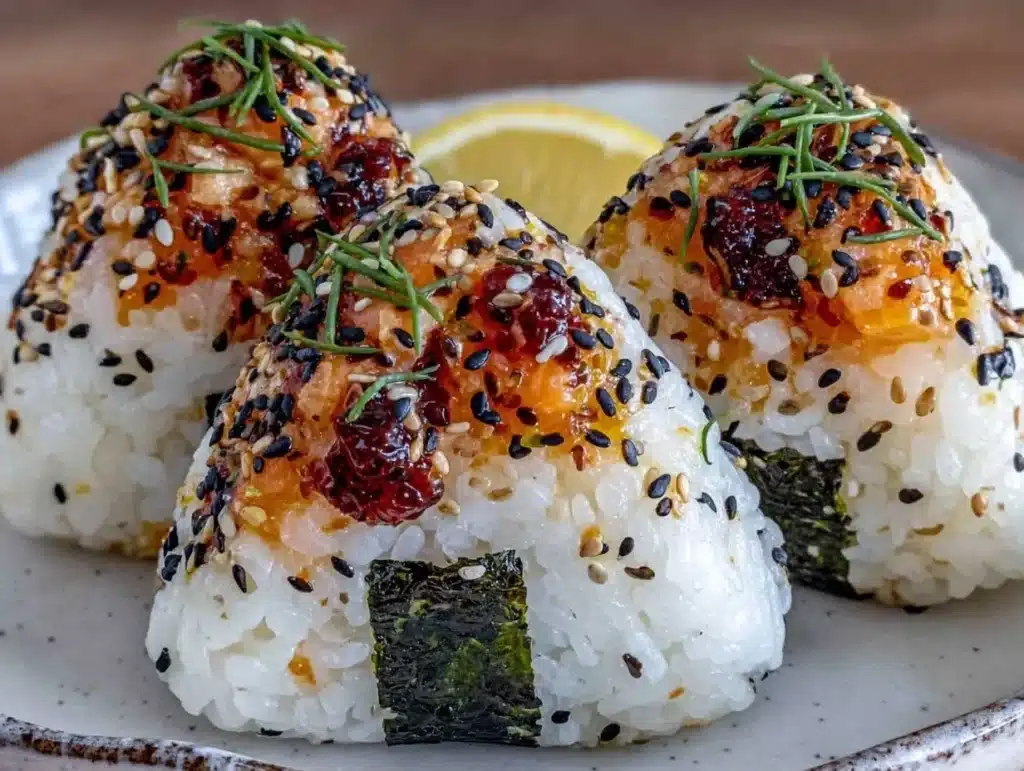
Let’s be honest for a second. I used to think making Japanese-inspired food at home required a trip to three different specialty markets and a credit card that was already maxed out. I was wrong. The smell of toasted sesame oil hitting warm rice is the kind of comfort that costs less than a dollar a serving. That is exactly what this salmon onigiri bowl is all about. It’s not about fancy plating or expensive cuts of fish. It’s about taking the cheapest, most accessible ingredients and turning them into something that tastes like a $20 restaurant dish.
I first stumbled onto this concept during a particularly tight month last winter. My pantry was bare, save for a few cans of salmon, a bag of rice, and some dried nori scraps I’d found in the back of a cupboard. I didn’t have time to roll perfect triangles, so I just broke the salmon up, mixed it with mayo, and piled it over steaming rice. The result was messy, delicious, and incredibly cheap. It tasted like comfort food that didn’t guilt-trip my wallet.
Since then, I’ve tested this salmon onigiri bowl recipe over a dozen times. I’ve tweaked the ratios, swapped out vegetables based on what was on sale, and even made it for picky eaters who usually refuse anything with “sea” in the name. The secret isn’t in the technique; it’s in the texture contrast. You get the soft rice, the flaky fish, the crunch of cucumber, and the saltiness of soy sauce all in one bite. It’s quick, it’s budget-friendly, and it tastes like you actually tried.
What makes this salmon onigiri bowl different from other rice bowls is the flavor profile. It mimics the classic onigiri filling—usually salmon with mayo and sesame—but without the elbow grease of rolling. It’s designed for people who want restaurant-quality flavor but don’t want to spend hours in the kitchen. It’s perfect for busy weeknights, meal prep Sundays, or just when you need something warm and satisfying without breaking the bank. Honestly, it’s the kind of meal that makes you feel like a genius chef for the price of a few pantry staples.
Why You’ll Love This Recipe
I’ve spent years testing recipes in my own kitchen, and I can tell you that the best meals aren’t the ones with the longest ingredient lists. They’re the ones that hit all the right notes with what you already have. This salmon onigiri bowl is a perfect example of that philosophy. It’s not just another rice bowl; it’s a clever way to use up pantry staples that might otherwise go to waste. Here is why this recipe has earned a permanent spot in my weekly rotation.
- Quick & Easy: This dish comes together in under 20 minutes. I’m talking active time, which is rare for dinner. You just heat the rice, mix the filling, and assemble. It’s perfect for those nights when you’re exhausted and just want to eat.
- Simple Ingredients: You likely already have everything you need in your kitchen right now. Canned salmon, rice, soy sauce, mayo, and sesame oil. No fancy grocery trips needed. It’s built from what’s already cheap in your pantry.
- Perfect for Meal Prep: This bowl stores beautifully in the fridge for up to three days. The flavors actually meld together over time, making it even better the next day. It’s a lifesaver for busy workweeks.
- Crowd-Pleaser: Kids love the creamy texture of the salmon mix, and adults appreciate the savory depth. It’s a great way to get omega-3s into your diet without anyone complaining.
- Unbelievably Delicious: The combination of salty soy sauce, creamy mayo, and nutty sesame oil creates a flavor bomb that feels indulgent but is actually quite simple. It’s comfort food reimagined for the modern, budget-conscious cook.
What really sets this apart is the texture. Traditional onigiri are dense and chewy. By breaking them down into a bowl, you get a softer, more approachable meal. It’s like having the best parts of a sushi roll without the hassle. I’ve served this to friends who are usually skeptical of “weird” rice dishes, and they always ask for the recipe. It’s reliable, it’s tasty, and it’s cheap. That’s a winning combination in my book.
What Ingredients You Will Need
This recipe relies on the power of pantry staples to create a dish that feels gourmet but costs pennies. The key is to use high-quality versions of inexpensive ingredients where it counts, like the salmon and the soy sauce. The rest is just about balancing flavors and textures. Here is what you’ll need to make this salmon onigiri bowl, along with a few tips on how to choose the best options for your budget.
- White Rice (Jasmine or Sushi Rice): 1 cup dry, yields about 3 cups cooked. Sushi rice is stickier and better for that onigiri texture, but jasmine rice works too if you’re on a tight budget. Rinse it well to remove excess starch.
- Canned Salmon: 2 cans (6 oz each). Look for salmon packed in water to save calories, or oil if you want more richness. Boneless and skinless is easiest. I prefer the smaller cans because they’re fresher-tasting than the giant ones.
- Mayonnaise: 2 tablespoons. Real mayonnaise makes a huge difference here. It adds creaminess and helps bind the salmon. If you’re watching calories, you can use light mayo, but the flavor won’t be as rich.
- Soy Sauce: 1 tablespoon. Use a low-sodium version if you’re sensitive to salt. It adds that essential umami punch that ties everything together.
- Sesame Oil: 1 teaspoon. Toasted sesame oil is non-negotiable. It provides that distinct nutty aroma that smells like a Japanese restaurant. Just a little goes a long way.
- Green Onions: 2 stalks, thinly sliced. Adds a fresh, oniony bite that cuts through the richness. If you don’t have fresh ones, a teaspoon of dried chives works in a pinch.
- Shredded Nori (Seaweed): 1 sheet, torn into small pieces. You can buy nori sheets and tear them yourself, or buy pre-crumbled “nori furikake” if you have it. It adds saltiness and crunch.
- Cucumber: 1/2 medium cucumber, diced or julienned. Adds a refreshing crunch. Peel it if the skin is thick or bitter.
- Sesame Seeds: 1 tablespoon, toasted. Optional, but highly recommended for extra nutty flavor and visual appeal.
I always recommend buying your salmon from a store with high turnover to ensure freshness. For the rice, don’t skimp on the quality. Good rice makes a good bowl. And for the nori, if you can’t find it at your regular grocery store, check the Asian aisle or a local Asian market where it’s often much cheaper. These small swaps can save you dollars over time.
Can I Use Fresh Salmon Instead?
Absolutely. If you find a good sale on fresh salmon fillets, you can cook it, flake it, and use it in this recipe. It will taste even better, but it will also cost more. For the purpose of this “pantry basics” guide, canned salmon is the hero because it’s shelf-stable and incredibly cheap.
Equipment Needed
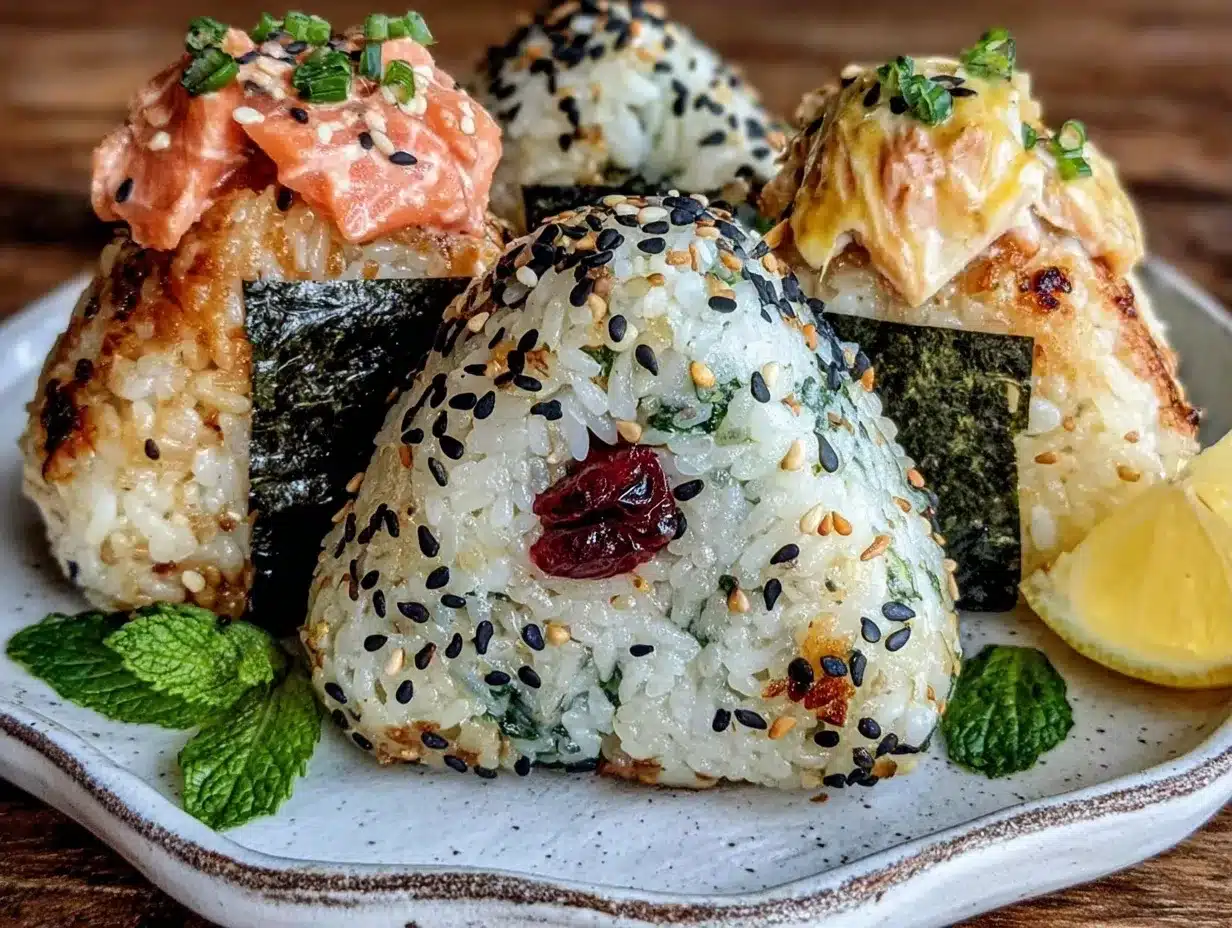
You don’t need any fancy gadgets to make this salmon onigiri bowl. In fact, keeping it simple is part of the appeal. Here is the minimal equipment you’ll need to get this done efficiently.
- Rice Cooker or Medium Saucepan: A rice cooker is great for hands-off cooking, but a simple saucepan with a tight-fitting lid works perfectly. Just remember to reduce the heat to low once it boils.
- Mixing Bowl: A medium-sized bowl for mixing the salmon, mayo, and seasonings. Any bowl will do, but one with a wide mouth is easier to stir in.
- Knife and Cutting Board: For slicing the green onions and cucumber. A standard chef’s knife is fine.
- Spoons: One for mixing the salmon filling and one for serving. Plastic or wooden spoons work well to avoid scratching non-stick pans if you’re heating the salmon directly.
I’ve found that a simple rice cooker is worth the investment if you eat rice often. It takes the guesswork out of cooking times and keeps the rice warm until you’re ready to eat. But honestly, a pot on the stove is just as effective if you’re careful. The key is not to overcomplicate the toolset. Less is more here.
Preparation Method
Making this salmon onigiri bowl is straightforward, but there are a few tricks to get the texture just right. Let’s walk through it step by step.
- Cook the Rice: Rinse 1 cup of rice under cold water until the water runs clear. This removes excess starch and prevents mushiness. Add the rinsed rice to your rice cooker or saucepan with 1.5 cups of water. Cook according to your appliance’s instructions. If using a pot, bring to a boil, then reduce heat to low, cover, and simmer for 18 minutes. Remove from heat and let it sit, covered, for 10 minutes. Fluff with a fork. (Time: 25-30 minutes)
- Prepare the Salmon Mixture: While the rice cooks, drain the canned salmon. Use a fork to break it up into small flakes. Remove any large bones or skin if you prefer, though the small bones are edible and add calcium. In your mixing bowl, combine the flaked salmon with mayonnaise, soy sauce, and sesame oil. Mix well until creamy. Taste and adjust seasoning if needed. (Time: 5 minutes)
- Prep the Vegetables: Thinly slice the green onions and dice the cucumber. If you’re using nori sheets, tear them into small, bite-sized pieces. Have these ready in small bowls or on a plate for easy assembly. (Time: 5 minutes)
- Toast Sesame Seeds (Optional): If you have raw sesame seeds, toast them in a dry pan over medium heat for 2-3 minutes until golden and fragrant. Watch them closely, as they burn quickly. Let them cool. (Time: 3 minutes)
- Assemble the Bowl: Scoop warm rice into your serving bowl. Top with a generous portion of the salmon mixture. Arrange the cucumber and green onions on the side. Sprinkle the shredded nori and toasted sesame seeds over the top. Drizzle with a little extra soy sauce if you like it saltier. (Time: 2 minutes)
The key here is to serve the rice warm. The heat helps the flavors of the salmon mixture meld together when you mix it in. Don’t skip the fluffing step for the rice; it makes a big difference in the final texture.
What If My Salmon Is Too Dry?
If your canned salmon feels dry, add an extra half-tablespoon of mayonnaise or a teaspoon of water. The goal is a creamy, spreadable consistency, not a dry crumble. Adjust as needed.
Cooking Tips & Techniques
After making this recipe many times, I’ve learned a few things that can save you from common pitfalls. Here are some tips to ensure your salmon onigiri bowl turns out perfectly every time.
- Don’t Skip the Rice Rinse: This is the most important step for good rice. If you don’t rinse it, the rice can become gummy and sticky in a bad way. Rinsing ensures each grain is separate and fluffy.
- Use Room Temperature Ingredients: If your mayo or salmon is straight from the fridge, the mixture might be too cold and clumpy. Let them sit out for 10 minutes before mixing.
- Toast Your Sesame Oil: Make sure you’re using toasted sesame oil, not regular sesame oil. Toasted has a nutty, aromatic flavor that is essential for this dish. Regular sesame oil is neutral and won’t give you that authentic taste.
- Control the Salt: Canned salmon and soy sauce are both salty. Taste your mixture before adding extra salt. You can always add more, but you can’t take it out.
- Mix Gently: When combining the salmon and mayo, mix gently to keep the flakes intact. You want chunks of salmon, not a paste.
I once made this with cold rice and it just didn’t taste right. The warmth is crucial for the aroma and the mouthfeel. Also, don’t be afraid to experiment with the mayo-to-salmon ratio. Some people like it creamier, others prefer more fish. Find your sweet spot.
Variations & Adaptations
One of the best things about this recipe is how easy it is to adapt. Here are a few ways to tweak it based on what you have or what you prefer.
- Spicy Kick: Add a teaspoon of sriracha or chili crisp to the salmon mixture. It adds heat and depth that pairs well with the creamy mayo.
- Vegetable Boost: Add diced avocado or shredded carrots to the bowl. Avocado adds creaminess, while carrots add sweetness and crunch. Both are great budget-friendly additions.
- Gluten-Free: Use tamari instead of soy sauce. Most other ingredients are naturally gluten-free, so this is an easy swap.
- Low-Carb: Swap the white rice for cauliflower rice. Heat it up quickly in a pan and use it as the base. It changes the texture but keeps the flavor profile intact.
- Herb Twist: Add chopped fresh cilantro or dill to the salmon mix. It adds a fresh, bright note that contrasts well with the rich fish.
I often add a pinch of red pepper flakes for a little heat. It’s a simple change that makes the dish feel more complex. Feel free to make it your own. The base recipe is just a starting point.
Serving & Storage Suggestions
This bowl is best served immediately while the rice is warm. However, it’s also great for meal prep. Here’s how to store and reheat it.
- Storage: Store leftovers in an airtight container in the refrigerator for up to 3 days. Keep the salmon mixture and rice separate if possible to prevent the rice from getting soggy.
- Reheating: Reheat the rice in the microwave with a splash of water to keep it moist. The salmon mixture can be eaten cold or reheated briefly. I prefer it slightly warm.
- Serving: Serve with a side of miso soup or pickled ginger for an authentic touch. A cup of green tea pairs nicely with the flavors.
The flavors develop over time, so day-old bowls often taste even better. The soy sauce penetrates the rice, and the mayo melds with the salmon. It’s a great option for lunch the next day.
Nutritional Information & Benefits
This salmon onigiri bowl is not only cheap but also nutritious. Salmon is an excellent source of omega-3 fatty acids, which are good for heart and brain health. Rice provides energy, and the vegetables add fiber and vitamins. Here is an approximate nutritional breakdown per serving:
- Calories: ~450 kcal
- Protein: 25g
- Carbohydrates: 50g
- Fat: 15g
- Fiber: 2g
It’s a balanced meal that keeps you full and satisfied. The omega-3s from the salmon are a major benefit, especially if you don’t eat fish often. It’s a simple way to boost your nutrient intake without spending a fortune on supplements.
Conclusion
This salmon onigiri bowl is proof that you don’t need expensive ingredients to make a delicious meal. It’s cheap, easy, and incredibly satisfying. I hope you try it and find it as useful in your kitchen as I have. Feel free to customize it with your favorite veggies or spices. Let me know in the comments how you like to make it!
FAQs
Can I use brown rice instead of white rice?
Yes, you can use brown rice. It will take longer to cook and has a chewier texture, but it works well in this bowl. Just adjust the cooking time accordingly.
Is canned salmon safe to eat without cooking?
Yes, canned salmon is fully cooked during the canning process. You can eat it straight from the can, but mixing it with warm rice enhances the flavor.
How long does this meal last in the fridge?
It lasts for up to 3 days in an airtight container. The flavors improve after a day, so it’s great for meal prep.
Can I add other proteins?
Absolutely. You can use canned tuna, shredded chicken, or even tofu. The seasoning mix works well with most proteins.
What is the best way to store nori?
Keep nori in an airtight container to prevent it from getting soggy. If it loses its crunch, you can toast it briefly in a dry pan to restore it.
Pin This Recipe!

Salmon Onigiri Bowl: 5 Cheap Pantry Basics
- Total Time: 35 minutes
- Yield: 2 servings 1x
Description
A budget-friendly, quick Japanese-inspired rice bowl using canned salmon, mayo, and pantry staples. It mimics the flavor of traditional onigiri without the effort of rolling, offering a creamy, savory meal ready in under 20 minutes.
Ingredients
- 1 cup white rice (Jasmine or Sushi Rice)
- 1.5 cups water (for cooking rice)
- 2 cans (6 oz each) canned salmon, drained
- 2 tablespoons mayonnaise
- 1 tablespoon soy sauce
- 1 teaspoon toasted sesame oil
- 2 stalks green onions, thinly sliced
- 1 sheet nori (seaweed), torn into small pieces
- 1/2 medium cucumber, diced or julienned
- 1 tablespoon sesame seeds, toasted (optional)
Instructions
- Rinse 1 cup of rice under cold water until the water runs clear. Add to a rice cooker or saucepan with 1.5 cups of water.
- Cook the rice according to appliance instructions. If using a pot, bring to a boil, reduce heat to low, cover, and simmer for 18 minutes. Remove from heat and let sit covered for 10 minutes, then fluff with a fork.
- While rice cooks, drain canned salmon and flake it with a fork. In a mixing bowl, combine flaked salmon with mayonnaise, soy sauce, and sesame oil. Mix until creamy.
- Thinly slice green onions and dice cucumber. Tear nori sheets into small pieces.
- If using raw sesame seeds, toast them in a dry pan over medium heat for 2-3 minutes until golden and fragrant. Let cool.
- Scoop warm rice into serving bowls. Top with the salmon mixture.
- Arrange cucumber and green onions on the side. Sprinkle with shredded nori and toasted sesame seeds.
- Drizzle with extra soy sauce if desired and serve immediately while warm.
Notes
Rinse rice well to prevent mushiness. Use toasted sesame oil for authentic flavor. If salmon is too dry, add extra mayo or water. Store leftovers in an airtight container for up to 3 days. Keep rice and salmon mixture separate if storing to prevent sogginess.
- Prep Time: 10 minutes
- Cook Time: 25 minutes
- Category: Main Course
- Cuisine: Japanese
Nutrition
- Serving Size: 1 bowl
- Calories: 450
- Sugar: 2
- Sodium: 680
- Fat: 15
- Saturated Fat: 3
- Carbohydrates: 50
- Fiber: 2
- Protein: 25
Keywords: salmon onigiri bowl, cheap dinner, pantry staples, quick meals, meal prep, Japanese rice bowl, canned salmon recipes, budget friendly